Edition 43
September 2026

Never Underestimate the Basics
By Shola Oladipo, Food for Purpose CEO
Welcome to another edition of Purposeful You! It’s been a minute.
I hope you enjoy catching up with what we’ve been doing, the communities we’ve been working alongside, and what we’ve been learning. There has been plenty happening at FFP over the last few months, but summer is also a good time to slow down and remember that looking after our health doesn’t always have to be complicated.
Summer changes our routines. The days are longer, we travel, gather with family and friends, enjoy the sun and hopefully find a little more time to rest.
It reminds me of something we are learning repeatedly through our journey at Food for Purpose: never underestimate the basics.
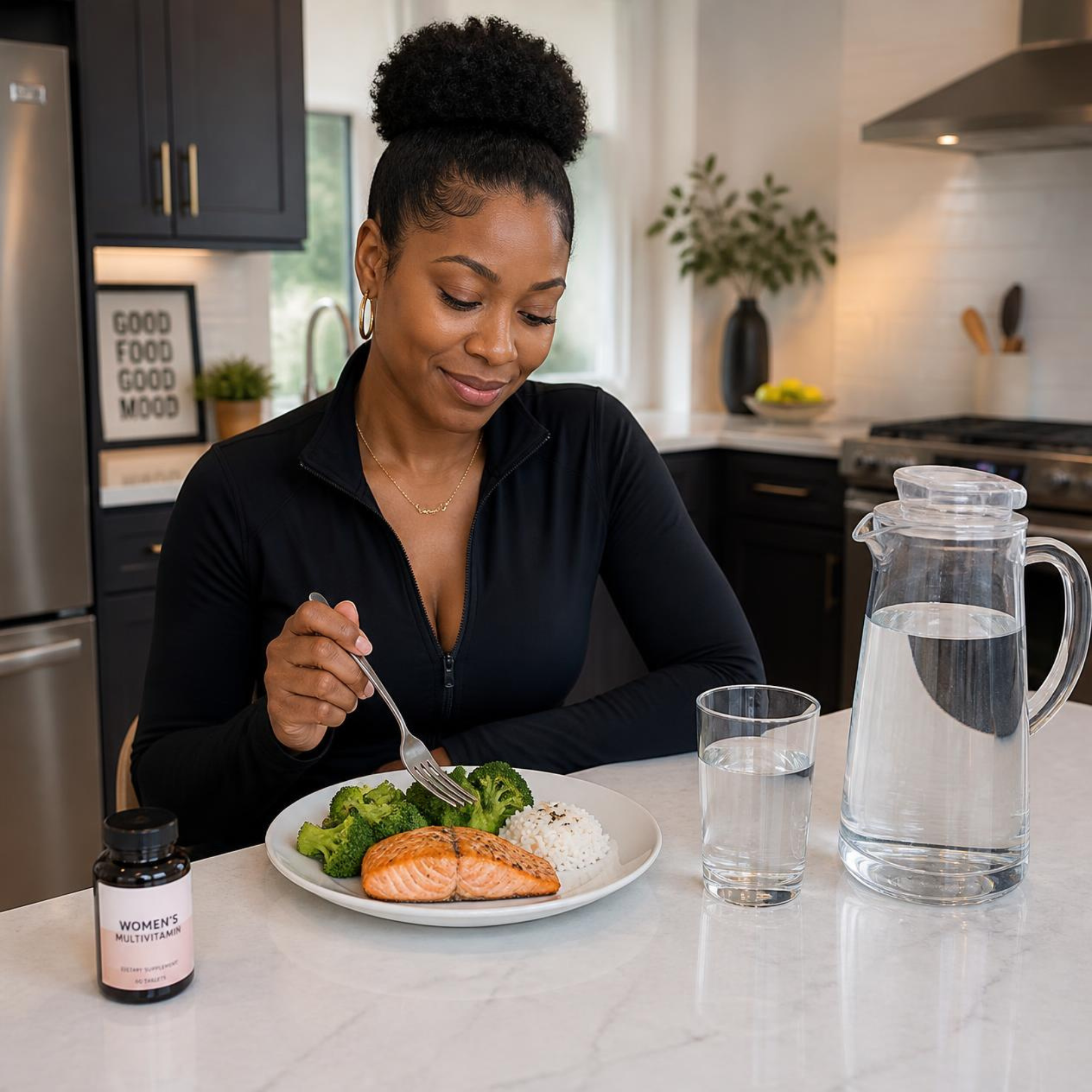
We live in a world full of new health information, treatments, technologies and wellness trends. Yet the fundamentals still matter: drink enough water, eat a varied and balanced diet, keep moving, sleep well and rest.
Take prescribed medication. Attend health checks. Know your important numbers, including your blood pressure. And pay attention when your body tells you something isn’t quite right.
Simple? Yes.
Always easy? Not necessarily.
Our work with communities has taught us that people don’t always need another list of what they are doing wrong. We need practical ways to make healthier choices work within busy lives — and without leaving our culture behind.
Small actions, repeated consistently, matter.
So enjoy summer. Enjoy that barbecue, the family gatherings, holidays and longer evenings.
But remember the water.
Remember the vegetables.
Take the walk.
Get some sleep.
Take the medication.
Pray or meditate.
Keep the appointment.
Know your numbers.
As you read this edition, I hope you’ll see this thread running through our work at Food for Purpose: making good health practical, relevant and possible in everyday life.
Enjoy the edition, and enjoy the rest of your summer!
Never underestimate the basics.
Dr Shola Oladipo
CEO & Founder, Food for Purpose CIC

CEO Says - Never Underestimate the Basics
Physical Activity Tips - It’s Never Too Late to Try Something New
Recipe of the Month - Jamaican Callaloo
Food Spotlight - Callaloo: The Leafy Green That Deserves More Love!
Balanced Bites - The Fibre Factor
Diabetes Tips - GLP-1 Injections: What Do Black African & Caribbean Communities Need to Know?
Let’s Talk - Confessions of a Palm Oil Defender

New office alert!
After years of working from home, FFP has officially opened the doors to our very own office space! We are thrilled to have a dedicated home base as we continue to grow.
Our new address: Unit 17, Gunnery Works 9-11 Gunnery Terrace Woolwich, London SE18 6SW
We couldn’t resist celebrating this milestone with a quick dance party in our new space! 🥳

Celebrating Our First Dietetic Intern!
Back in June, we were thrilled to welcome Faith Ahamefula as our very first Dietetic intern. Faith was a fantastic addition to the team, bringing so much talent, dedication, and great energy to her work.
A huge thank you to Faith for all her hard work, we wish her the absolute best as she takes the next steps in her career!
CAHN Black Healthcare Awards
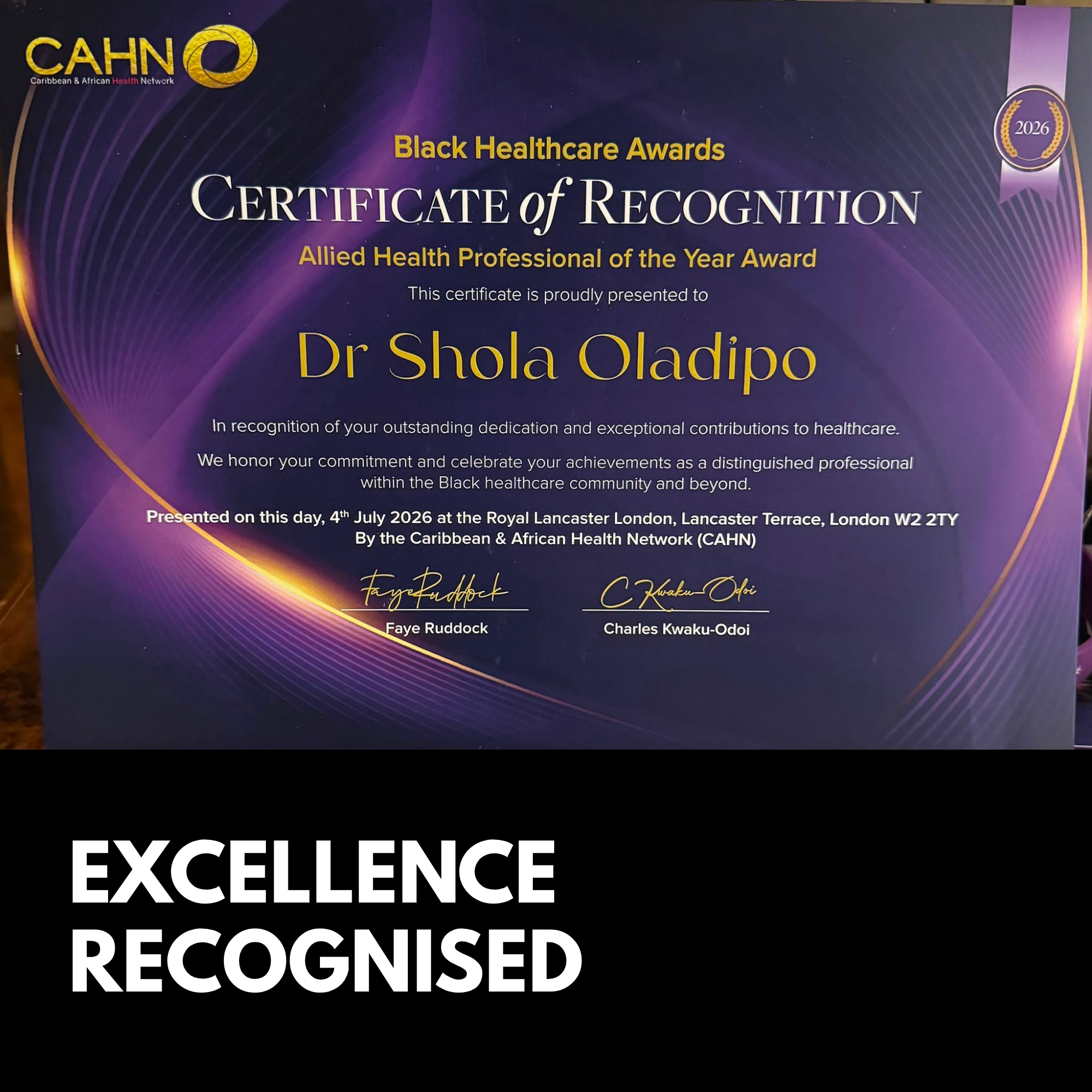
In July, our CEO received a Certificate of Recognition from the Caribbean & African Health Network (CAHN) at this year’s Black Healthcare Awards!
This recognition is incredibly significant. Dietetics has historically lacked diversity, and while the profession is changing, seeing Black dietitians celebrated for their impact is both powerful and timely.
This year also marks a massive personal milestone for Dr. Shola: 30 years as a Registered Dietitian!
Thank you to everyone who has believed in a vision that puts culture, faith, science, and community at the heart of health.
Our deepest thanks to CAHN for championing equity in Black healthcare. Congratulations again to all the phenomenal nominees and winners!

All-Party Parliamentary Group on Cardiovascular Disease (CVD) & Benchmarking
Dr Shola attended the All-Party Parliamentary Group (APPG) on Black Health meeting on Cardiovascular Disease (CVD) and Benchmarking at Portcullis House, Westminster in July.
The evening brought together an outstanding group of leaders and experts committed to tackling cardiovascular inequalities and improving outcomes for Black communities, reflecting the strength of genuine partnership. Leaders from primary care, secondary care, public health, academia, the voluntary and community sector, charities, commissioners and wider health system organisations came together with a shared commitment to improving cardiovascular outcomes and reducing inequalities.
Our sincere thanks to CAHN for the invitation and for convening such an important discussion. Thank you also to Paulette Hamilton MP for her continued leadership in championing Black health within Parliament.


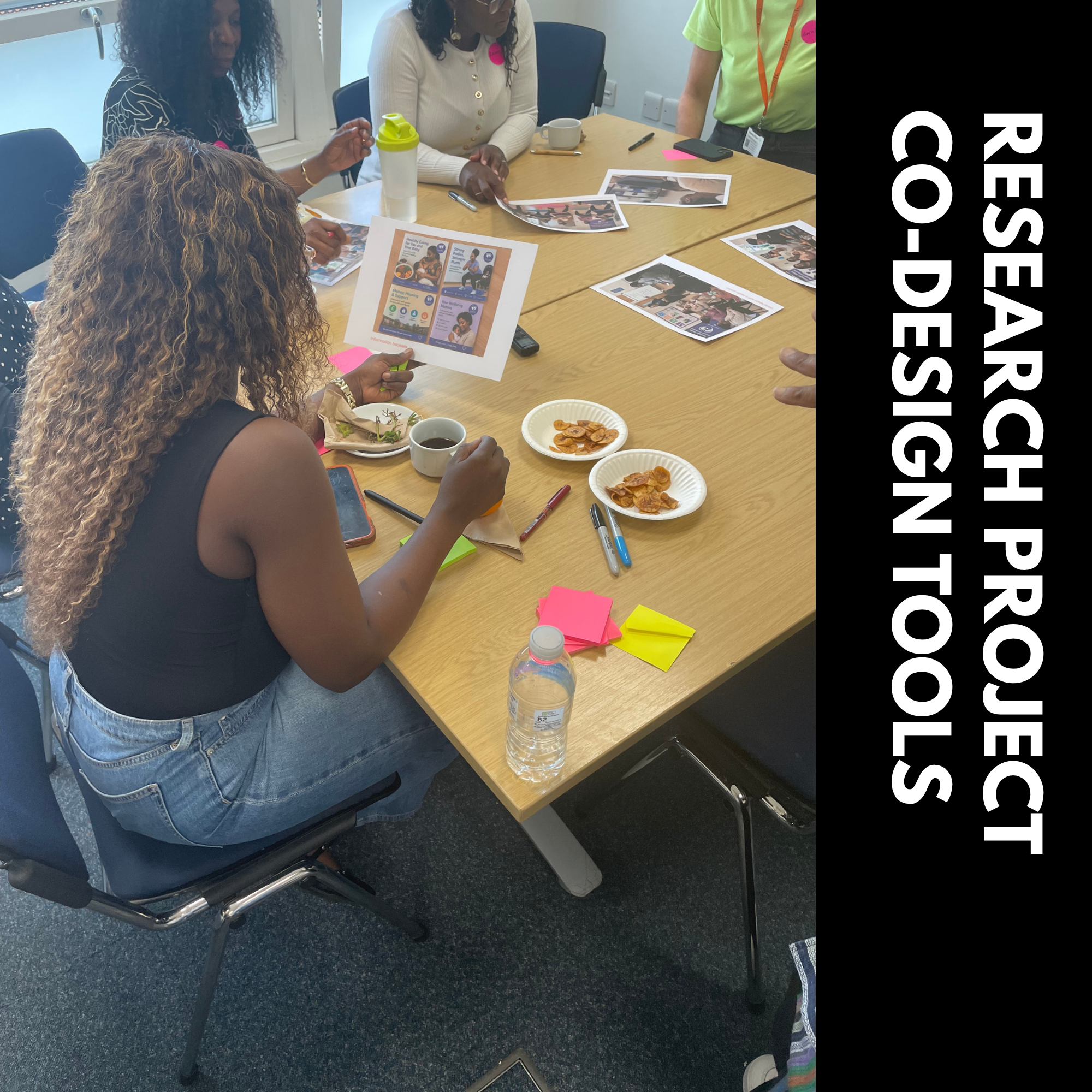
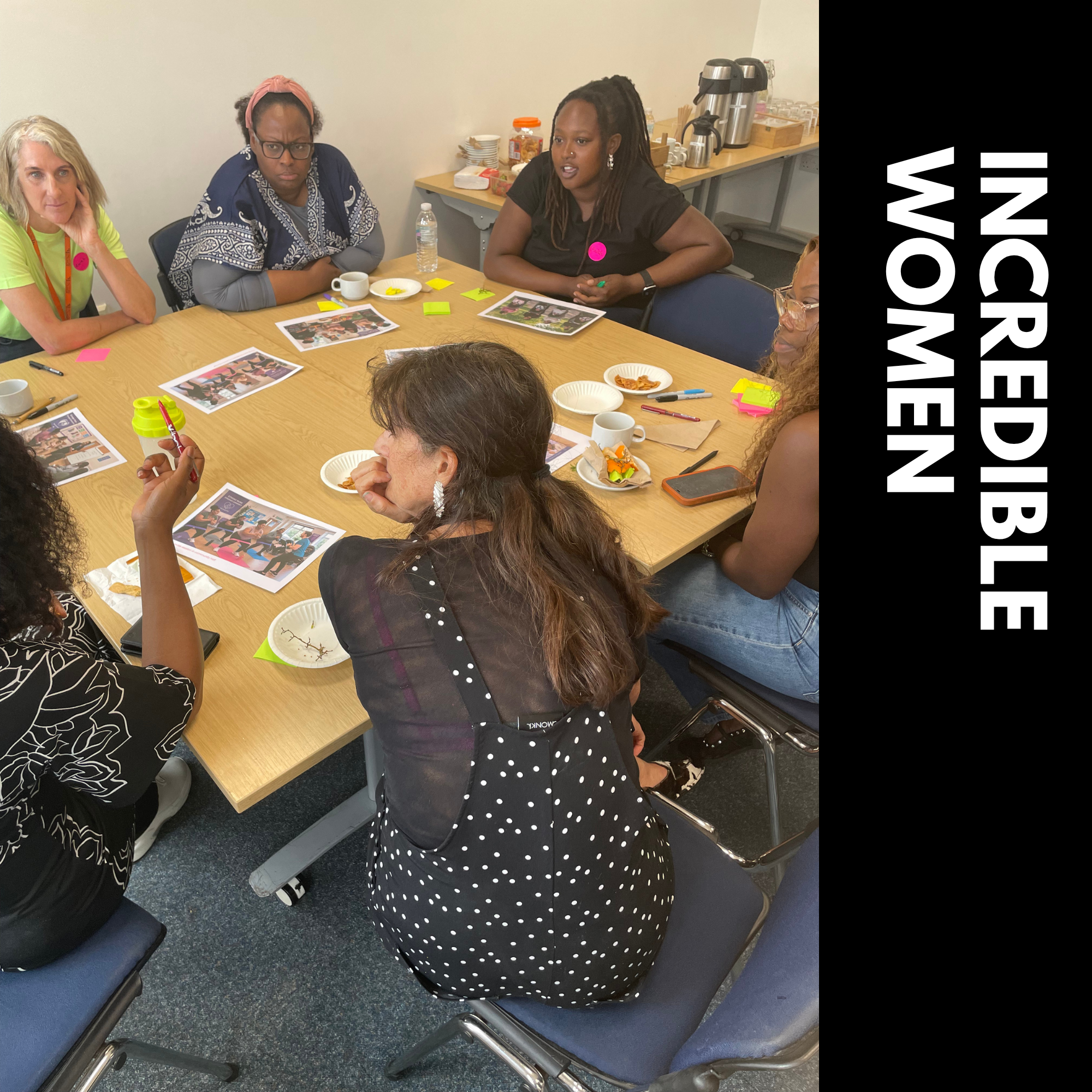
Situating Co-Design: Black Maternal Health
We are delighted to share an update on our research project, "Developing inclusive co-design tools for health-related co-design in partnership with minority ethnic communities," alongside our brilliant partners at QMUL, UCH, and Goldsmiths.
Together, we are making great progress in exploring how health interventions can truly reflect and serve the unique needs of Black women. We are currently holding co-design workshops that are helping us listen, learn, and better understand what is most meaningful to the community. We feel so privileged to be working alongside incredible women fr
National Days / Weeks / Month - August to November 2026
September
1st-30th - Snack-tember
7th-13th - Know Your Numbers Week
16th - National Fitness Day
21st-27th - Black Maternal Mental Health Week
October
1st-31st - Black History Month
1st-31st - National Cholesterol Month
10th - World Mental Health Day
18th - World Menopause Day
29th - World Stroke Day
November
1st-30th - Movember
2nd-6th - International Stress Awareness Week
2nd-8th - Sugar Awareness Week
8th-15th - Interfaith Week
16th-20th - UK Malnutrition Awareness Week
14th - World Diabetes Day
19th - International Mens Day

Dietetics Student Reflections
We’ve been busy over the summer here at Food For Purpose! We recently hosted five student dietitians from the University of Nottingham and London Metropolitan University for their Public Health placements.
At FFP, we provide placements that build cultural awareness and equip future dietitians to deliver truly inclusive care. Below are snippets from their experience with us!
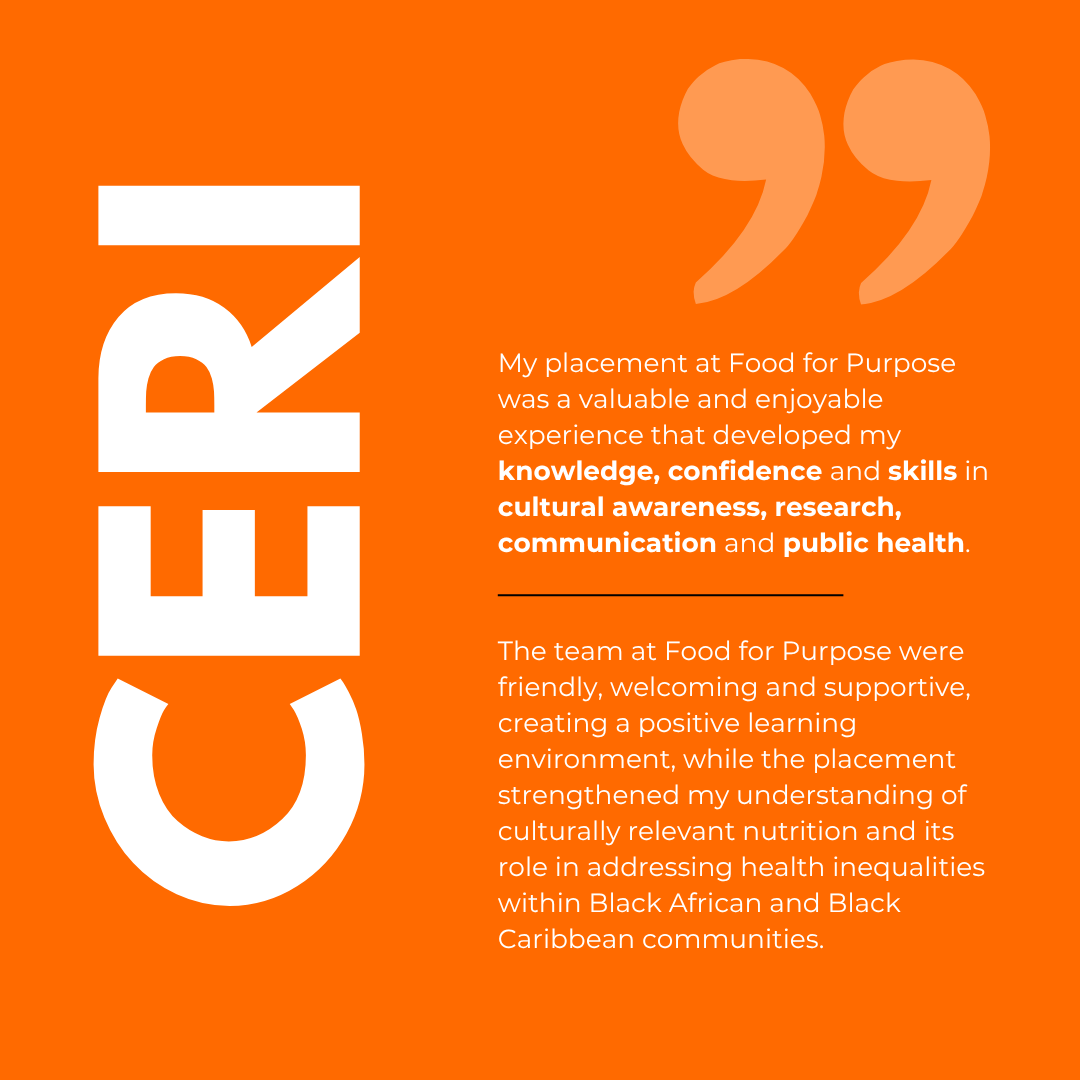
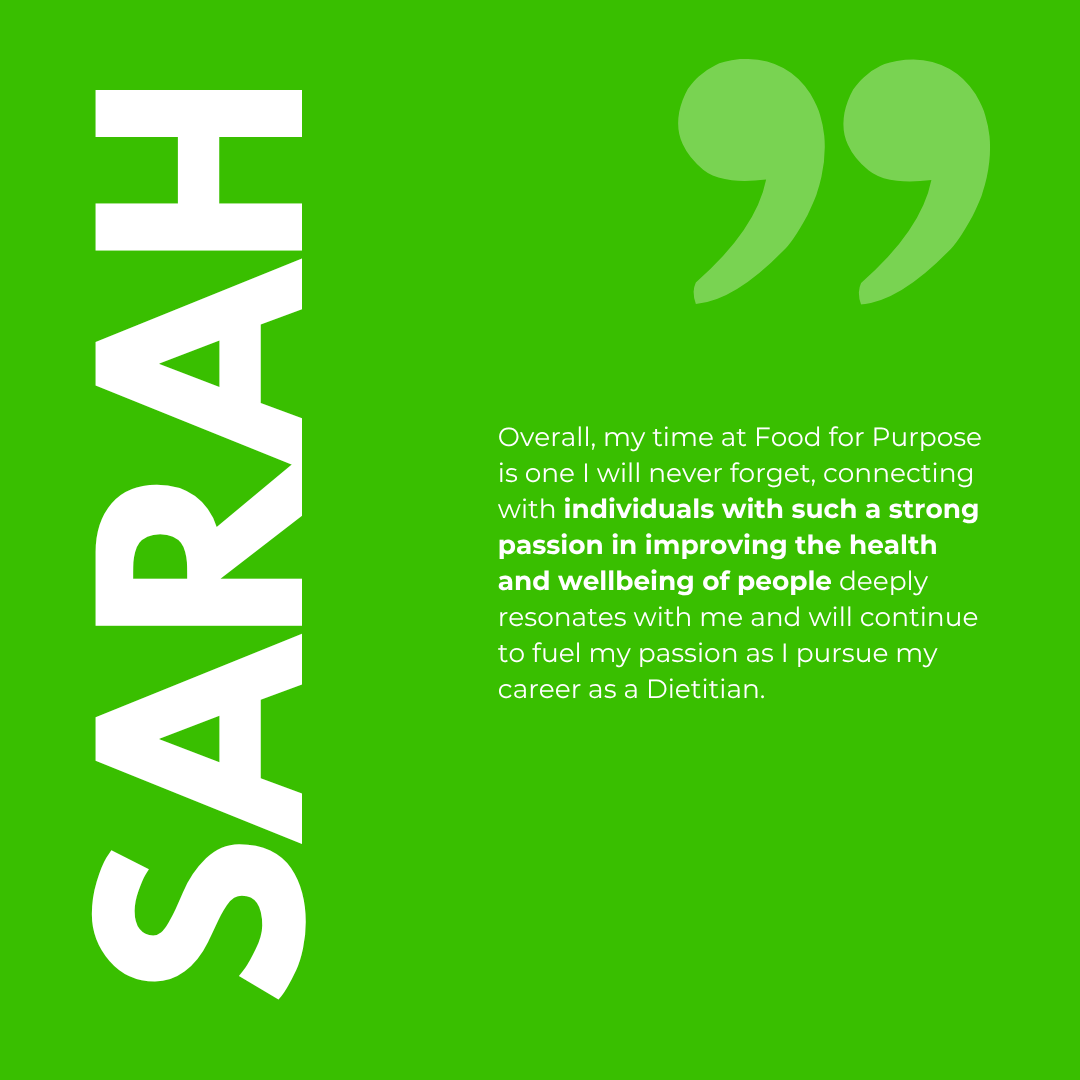
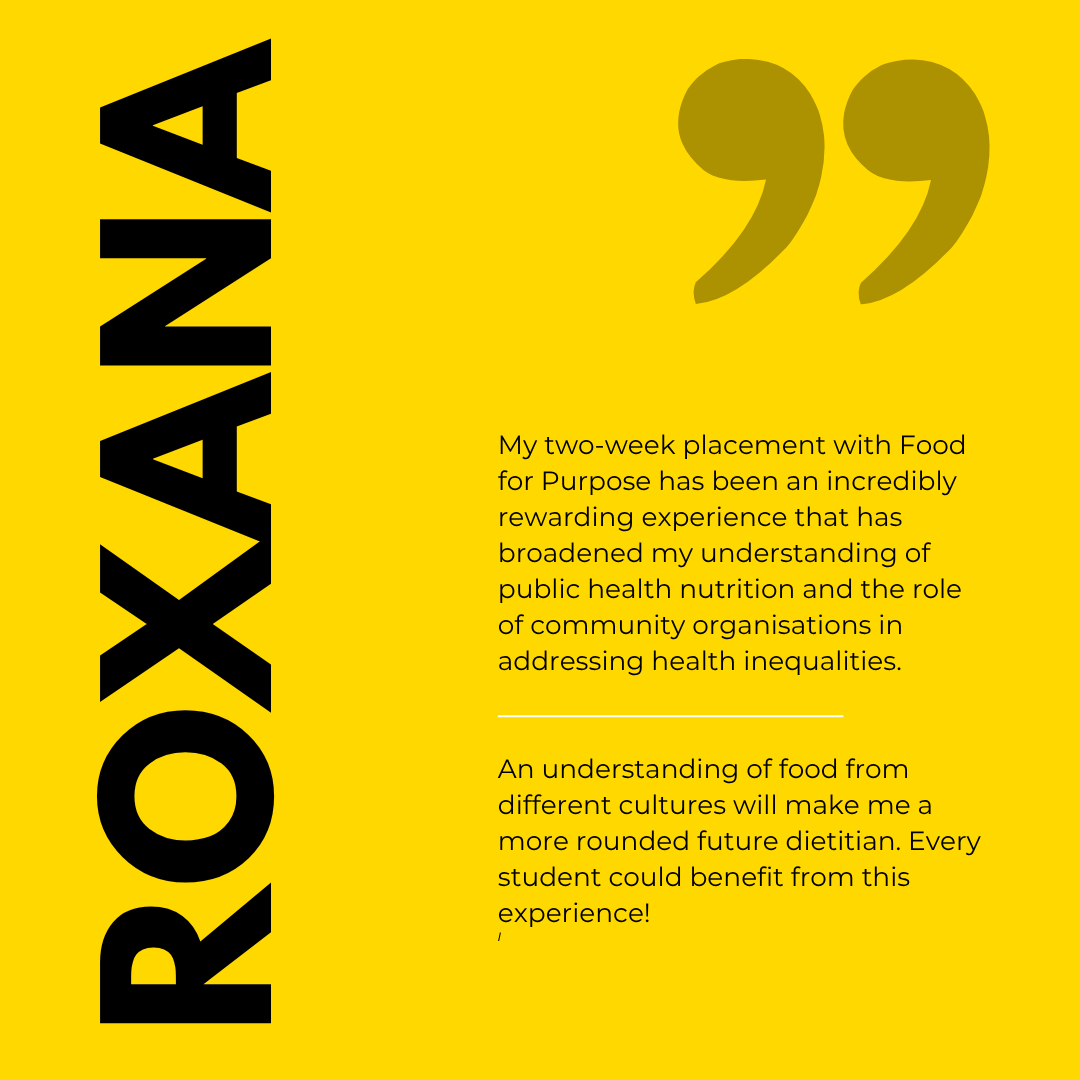
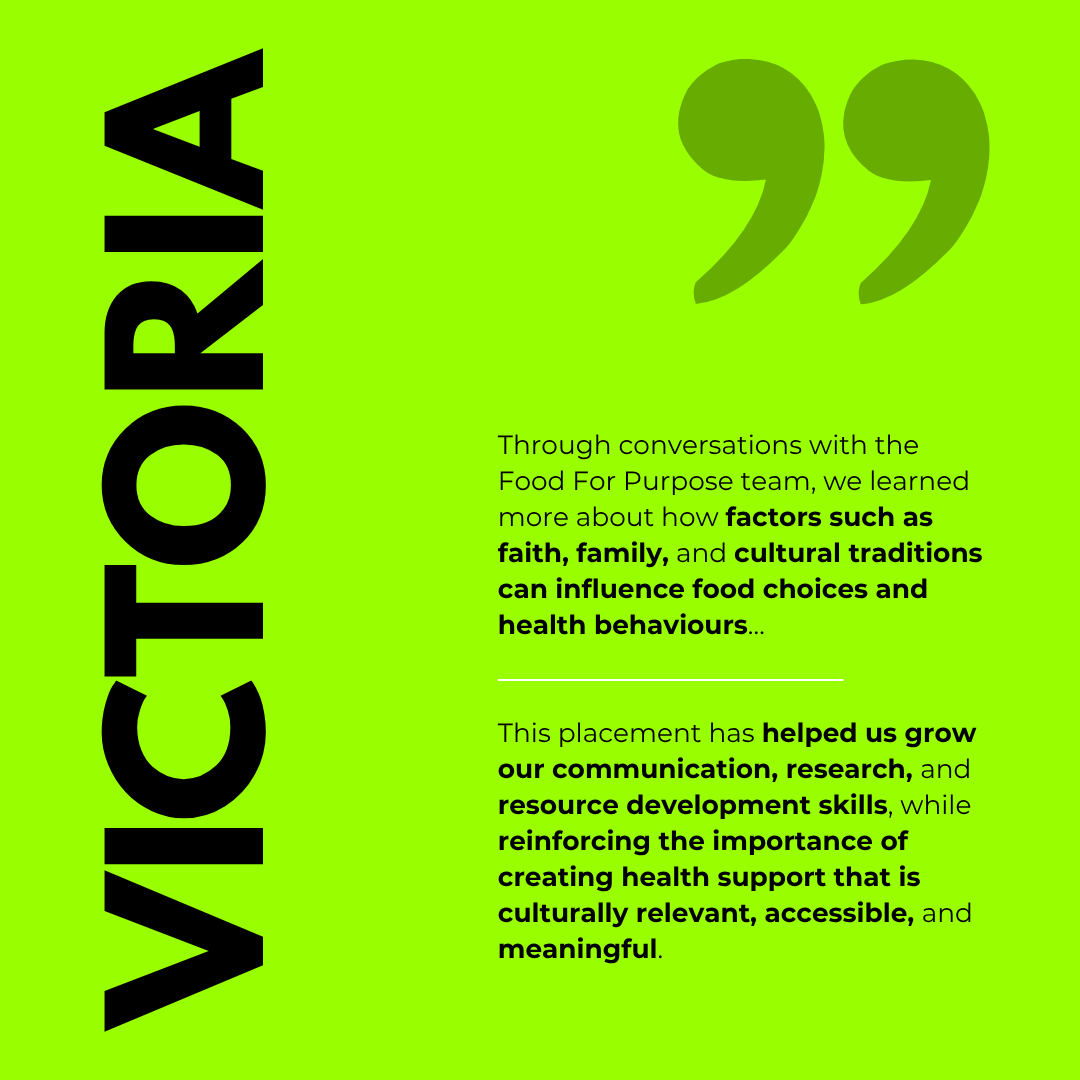
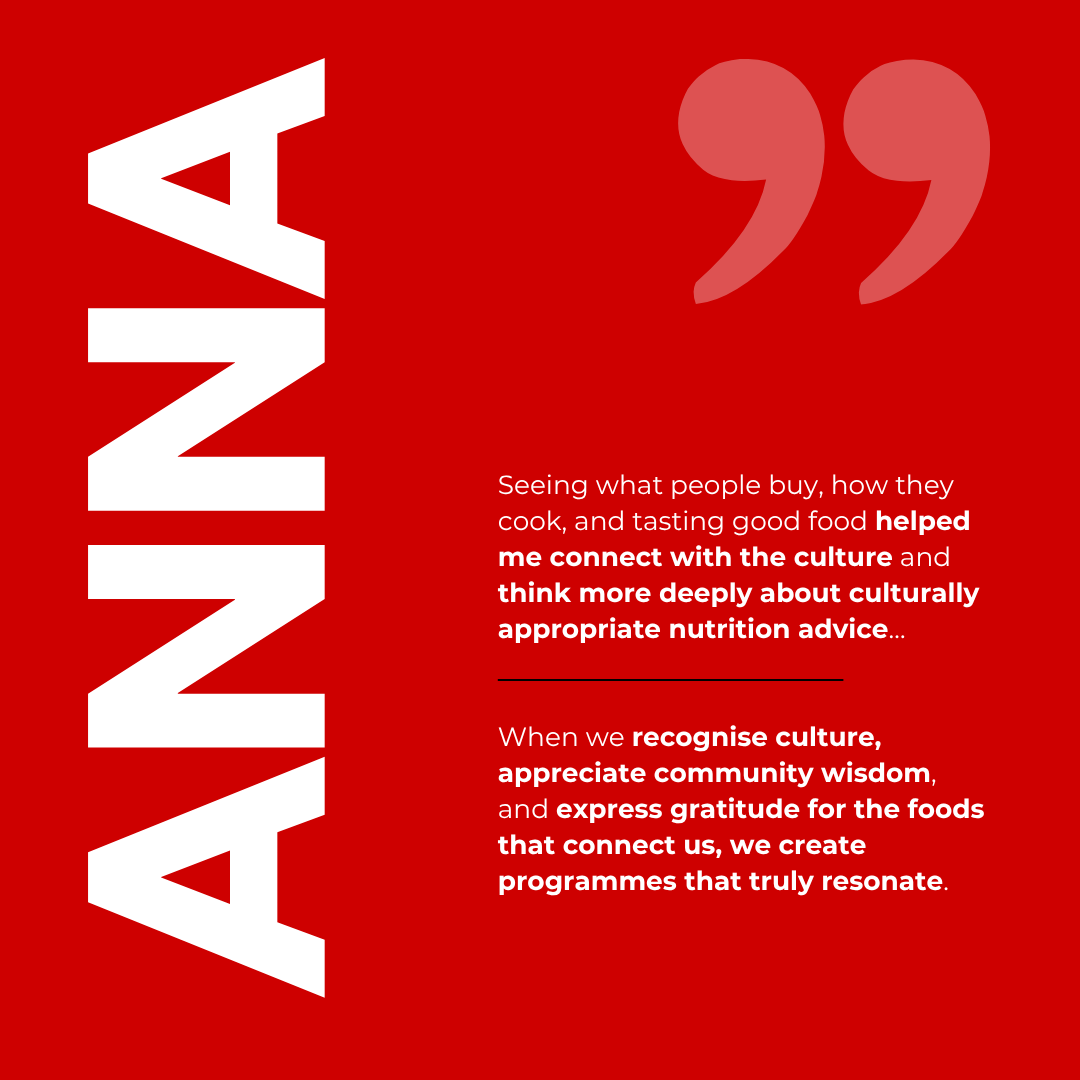
A huge thank you to Ceri, Sarah, Roxana, Victoria, and Anna for their hard work, enthusiasm, and dedication during their time with us. We wish them every success as they continue their studies and step into their future careers!

It’s Never Too Late to Try Something New
By Precious Oladipo
FFP Director & Physical Activity Lead
Physical activity is vital, we all know the drill. Ideally, we should aim for 150 minutes of moderate activity a week, 2–3 days of strength training, and plenty of movement every single day. Most of us are getting the message, but let’s be honest: doing the exact same workout week in, week out can get a bit tedious.
If you’re stuck in a bit of a rut with the usual suspects - gym sessions, steady runs, or lap swimming - it’s time to mix things up.
As adults, we often shy away from trying things we aren't immediately good at. But who cares? It’s completely unrealistic to expect to be a pro on day one! The goal isn't perfection; it’s having a laugh, having a go, and giving your body a fresh challenge.
Here are five trending activities more and more adults are loving right now. Hopefully, you’ll find something here that tickles your fancy:
Padel
Think of padel as a high-energy mix between tennis and squash, played in an enclosed glass court. It’s fast-paced, easy to pick up, brilliant for socialising, and guaranteed to give you a great cardio burn without feeling like a chore.Pickleball
Taking the world by storm for good reason, this low-impact paddle sport combines elements of badminton, tennis, and table tennis. It’s gentle on the joints, easy to learn in minutes, and addictively good fun for all fitness levels.Step Class
A nostalgic classic with a modern twist! Step aerobics combines rhythmic cardio with targeted lower-body conditioning. Set to high-energy music, it sharpens your coordination, boosts endurance, and keeps you smiling the whole hour.Adult Gymnastics
Reconnect with your inner child! Adult gymnastics focuses on functional movement, core strength, balance, and flexibility through rolls, handstands, and bodyweight skills in a safe, supportive environment.Reformer Pilates
Using a specialised machine with spring-loaded resistance, Reformer Pilates delivers a low-impact, full-body workout. It works those deep stabilising muscles, improves posture, and builds long, lean strength without taxing your joints.
Try stepping outside your comfort zone this September - and grab a mate for extra motivation if you need a push! Don't take yourself too seriously; just go out there and enjoy moving your body in a brand-new way!




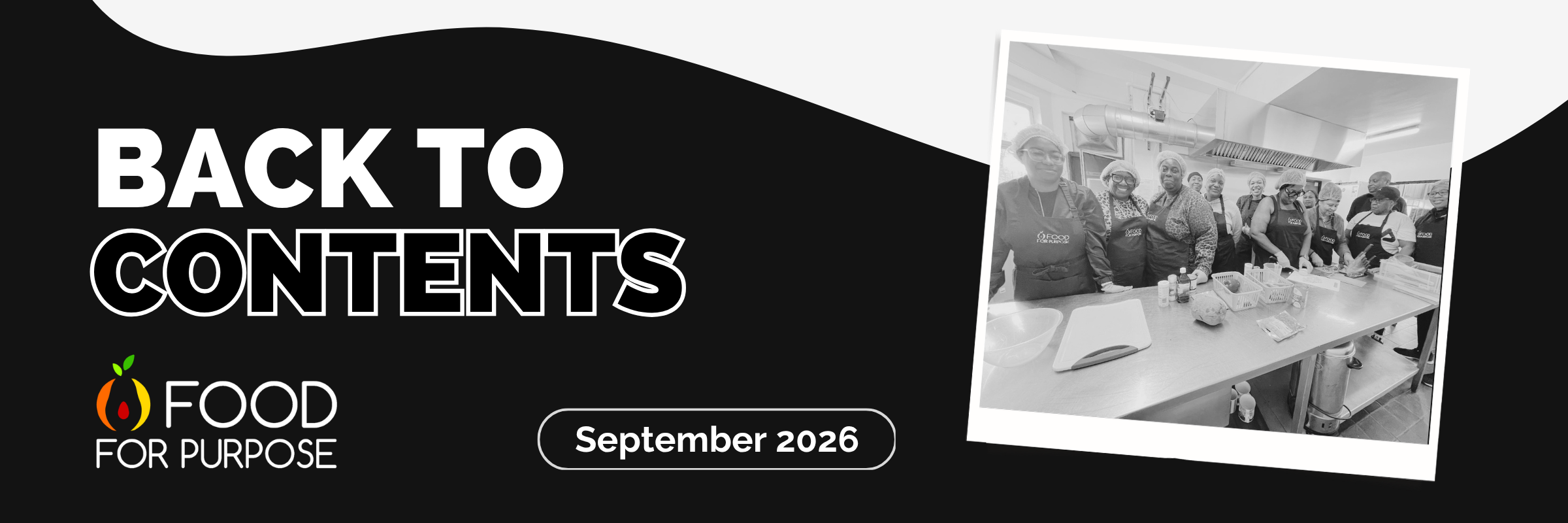

Jamaican Callaloo
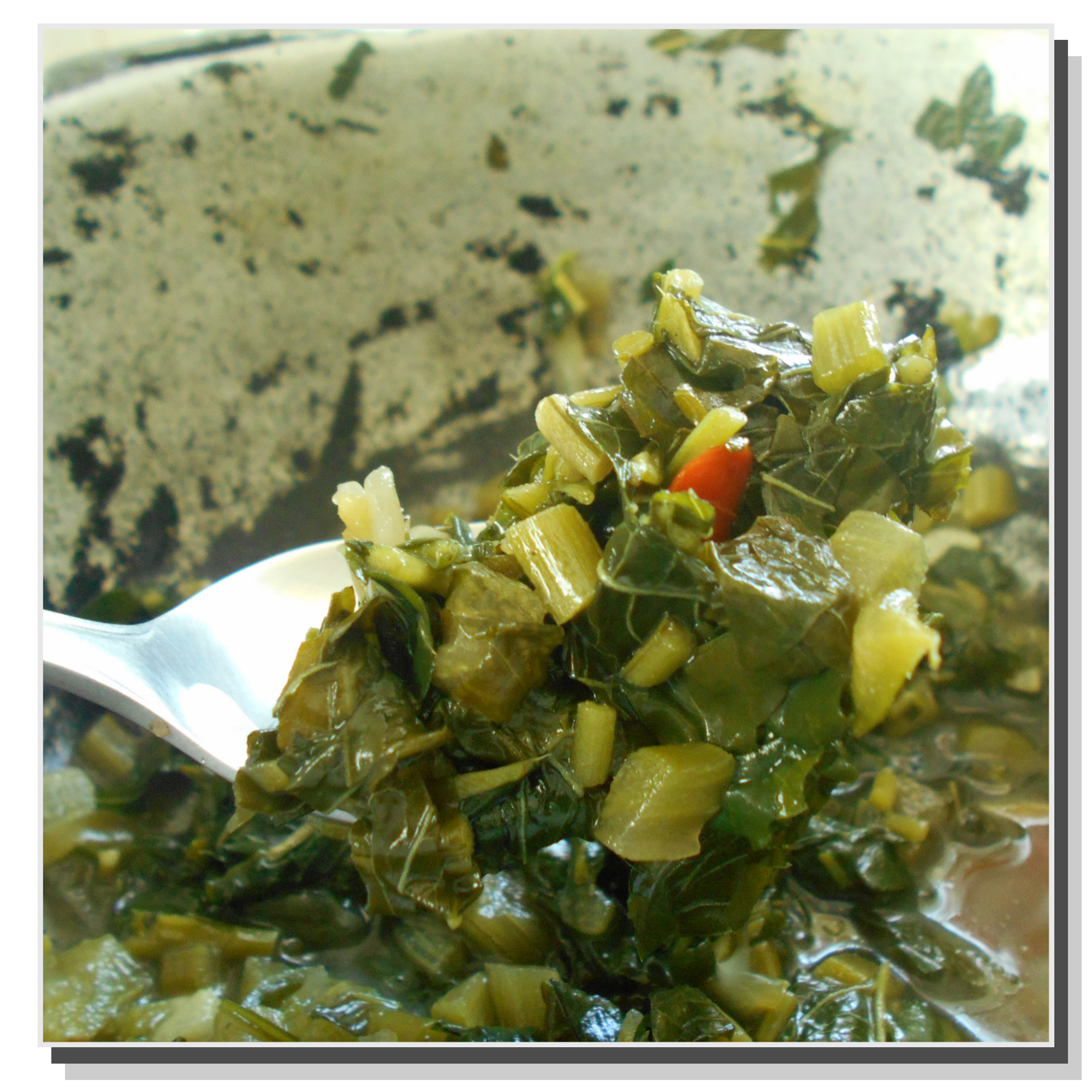
Jamaican callaloo is a dark green leafy vegetable made from amaranth leaves, with a texture similar to spinach. Jamaican callaloo is one of those dishes that just feels like home—simple, wholesome and full of flavour.
Preparation time: 20-30 minutes
Cooking time: 10-15 minutes
Ingredients
1 bunch Jamaican callaloo, chopped
1 tablespoon olive oil
1 small onion, chopped
3 spring onion stalks, chopped
3 cloves garlic, minced
1 red bell pepper, chopped
2 small tomatoes, chopped
1 teaspoon thyme/fresh sprigs
1 scotch bonnet pepper
Salt and black pepper to taste
Method:
Cleaning and chopping the callaloo
Separate the leaves from the stems (focusing mainly on the tender leaves).
Rinse the leaves thoroughly in clean water to remove all dirt.
Slice the stalks and chop the leaves (rolling a few leaves together first makes chopping easier).
Place the clean, chopped callaloo in a bowl until ready to cook.
Cooking the callaloo
Heat the oil in a large pan over medium heat for a few seconds.
Add the onions, garlic, and red bell pepper, and sauté until soft.
Stir in the tomato, thyme, and scotch bonnet pepper, cooking for 2 to 3 minutes.
Add the chopped callaloo and gently stir to combine.
Add a splash of hot water, turn down the heat, cover, and let it steam for 5 to 6 minutes until tender.
Remove the lid and season with salt and black pepper to taste.
Serve hot and enjoy with dumplings, plantain, or your favourite sides!
Recipe courtesy of: https://www.easyjamaicanrecipes.com/jamaican-callaloo-recipe
Image courtesy of: www.thatgirlcookshealthy.com

Callaloo: The Leafy Green That Deserves More Love!
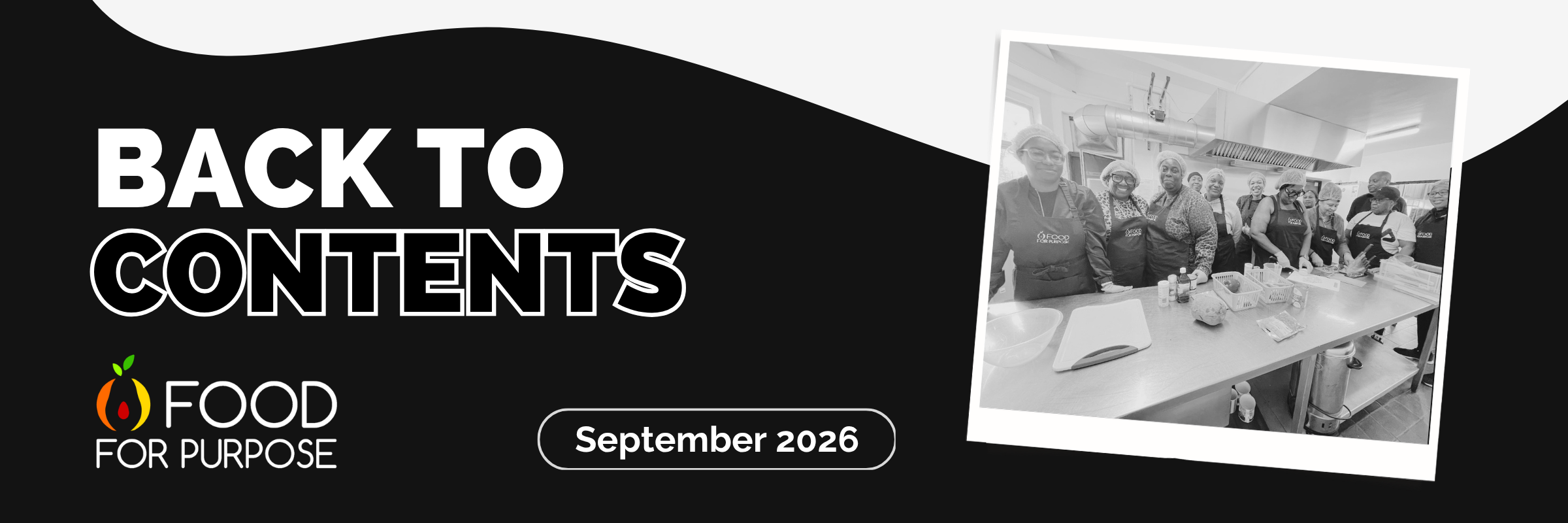
If you grew up around Caribbean or African cooking, you may already know callaloo. But did you know this humble leafy green can be a nutritional powerhouse too?
Callaloo is a popular leafy vegetable enjoyed across the Caribbean, particularly in dishes from Trinidad and Tobago, Jamaica and other islands, also enjoyed across Africa as leafy greens. Depending on where you are, “callaloo” can refer to different plants, but Caribbean callaloo is commonly made from amaranth leaves.
Whether cooked into a delicious stew, added to soups or simply sautéed with onions, garlic and a little seasoning, callaloo is a tasty way to get more vegetables onto your plate.
Nutritionally:
Callaloo is naturally low in calories and rich in nutrients, making it a great addition to a healthy, balanced diet.
It provides:
Fibre, which helps support a healthy digestive system and can help you feel fuller for longer. A fibre-rich diet is also beneficial for heart health and blood glucose management.
Calcium: Leafy greens such as callaloo can contribute to your calcium intake, which is important for maintaining strong bones and teeth.
Iron, which is needed to make haemoglobin and support normal energy levels. Remember, plant-based iron is absorbed less efficiently than iron from meat, so eating your greens alongside a source of vitamin C, such as tomatoes, peppers or oranges, can help improve absorption.
Vitamins and antioxidants like Vitamin C and E that support overall health
A little tip: Don't forget the cooking method!
Callaloo itself is a nutritious vegetable, but the way we prepare it can change the overall nutritional value of the dish.
Instead of relying heavily on salt, stock cubes or large amounts of added fat, experiment with flavour from:
Onion
Garlic
Fresh peppers
Tomatoes
Fresh herbs and spices
A squeeze of lemon or lime
And if you're using coconut milk, palm oil or other added fats, keep to smaller amounts and use reduced fat options where possible.
Callaloo is more than just a tasty side dish, it's an easy way to add vegetables, fibre and important nutrients to your meals.
So, the next time you're at the market or supermarket and spot a bunch of beautiful green leaves, why not give callaloo a place on your plate?

The Fibre Factor
Your Guide to Nutrition Made Simple!
Did you know that a recent report revealed a staggering stat? Only 4% of adults are hitting the recommended 30g of fibre a day.
That number is far too low! Fibre is a complete non-negotiable in our diets, but why is it so vital? Eating plenty of fibre is directly linked to a lower risk of heart disease, stroke, type 2 diabetes, and bowel cancer.
According to a recent report from the British Nutrition Foundation, limited awareness and understanding are one of the main reasons people miss the mark. So, let’s clear up the confusion!
What actually is fibre?
Simply put, fibre is the part of plant food your body cannot digest. It passes through your stomach and small intestine mostly intact before reaching your large intestine. There, it gets to work: fermenting, feeding good gut bacteria, and adding bulk to your stools.
This process is essential because it:
Aids smooth digestion
Promotes a healthy gut microbiome
Reduces internal inflammation
The common misconception
Here is where many people get tripped up. You might be getting your 5-a-day, but still falling short on fibre!
While bananas, cucumber, tomatoes, lettuce, and melons are fantastic for your health, they aren't actually high-fibre heavyweights. To hit that 30g target, you need a variety of dense fibre sources.
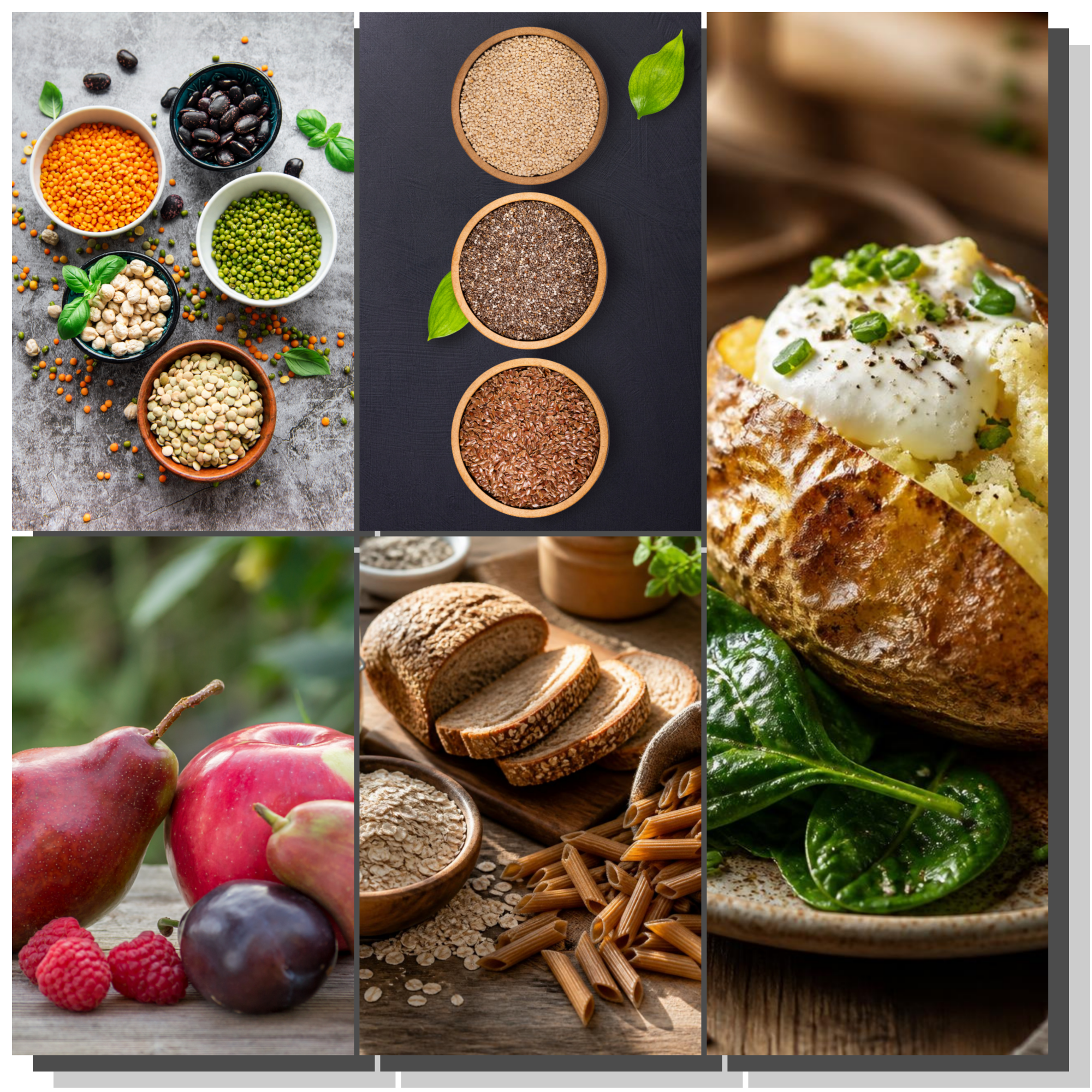
High-fibre powerhouses to try
Beans and pulses: Lentils, chickpeas, and black beans
Seeds: Chia seeds and flaxseeds
Certain fruits: Raspberries, apples, and pears (always keep the skin on!)
Whole grains: Oats, brown pasta, and wholemeal bread
Vegetables: Jacket potatoes (with skin) and dark leafy greens like kale and broccoli
If you are increasing your fibre intake today, drink extra water. Adding lots of fibre without enough fluid can actually lead to constipation, so keep that water bottle handy!
Here at FFP, we are currently building new resources to help you and your family understand fibre better and find easy, delicious ways to eat more of it. Keep an eye out for those dropping very soon!

GLP-1 Injections: What Do Black African & Caribbean Communities Need to Know?
By Modupe Peters
FFP Director & Diabetes Lead
The new generation of diabetes and weight-management medications is dominating health news, but what do these treatments actually mean for our communities?
GLP-1 medicines (such as semaglutide under the brand names Wegovy and Ozempic, liraglutide as Saxenda, and tirzepatide as Mounjaro) have become widely known for their ability to manage blood glucose, regulate appetite, and support weight loss. For individuals living with type 2 diabetes or obesity who meet specific clinical criteria, they can form an essential part of a treatment plan.
However, there is a wider conversation to be had, particularly across Black African and Caribbean communities in the UK.
According to Diabetes UK, individuals from Black African and Caribbean backgrounds are 2 to 4 times more likely to develop type 2 diabetes than those of White European heritage, often developing the condition at a much younger age.
With that in mind, what should our communities actually know about GLP-1 medications?
5 Key Things You Need to Know
In this edition, we share the first two key insights. Join us in the next issue of Purposeful You for the concluding part.
1. GLP-1s aren’t just "slimming injections"
GLP-1 medications were originally developed to manage type 2 diabetes. They function by mimicking natural hormones to help regulate blood sugar levels, reduce appetite, and slow down digestion. Depending on the specific medication and clinical purpose, they can also drive significant weight loss and provide cardiovascular benefits.
They are evidence-based medical treatments, not quick-fix cosmetic shortcuts.
2. Black African and Caribbean individuals can develop diabetes at a lower BMI
This is a critical distinction: individuals from Black African and Caribbean backgrounds often develop type 2 diabetes at younger ages and lower body mass index (BMI) levels than White European populations.
Because of this, NICE (National Institute for Health and Care Excellence) guidelines set lower BMI thresholds when assessing weight-management treatments for people of Black African and Caribbean descent.
In short: not looking "overweight" does not mean your metabolic risk is low. Health cannot be judged by appearance alone.
Coming Up in Part 2...
We have only covered the basics! In our next issue of Purposeful You, we will be diving into points 3, 4, and 5, where we will explore:
Why taking GLP-1s does not mean giving up rice, yam, plantain, or fufu, and how to make traditional dishes work for your health.
Why eating less is not always eating better, managing digestive side effects, and making sure your body stays nourished.
Where our communities fit into clinical trials, removing weight-management stigma, and why GLP-1s are a tool, not a magic fix.
Stay tuned for the next edition!
Medical Disclaimer: This article is intended for general informational purposes only and does not replace individual medical advice. GLP-1 medications should ideally be used when prescribed and monitored by an appropriately qualified healthcare professional.


Confessions of a Palm Oil Defender
Is this a safe space? Because I need to get something off my chest, and I need you all to hear me out.
It is 2026. Why are we still falling for the palm oil propaganda?! My people, stand up. I am tired of the slander.
Say it with me now: There is nothing wrong with palm oil.
I do not know who your sources are, but I am asking you to trust me on this one. You can officially pick up that bottle and put it back in your cooking rotation without looking over your shoulder.
First of all, let us clear up the confusion and separate the facts from the fiction. We need to differentiate between red palm oil and palm kernel oil:
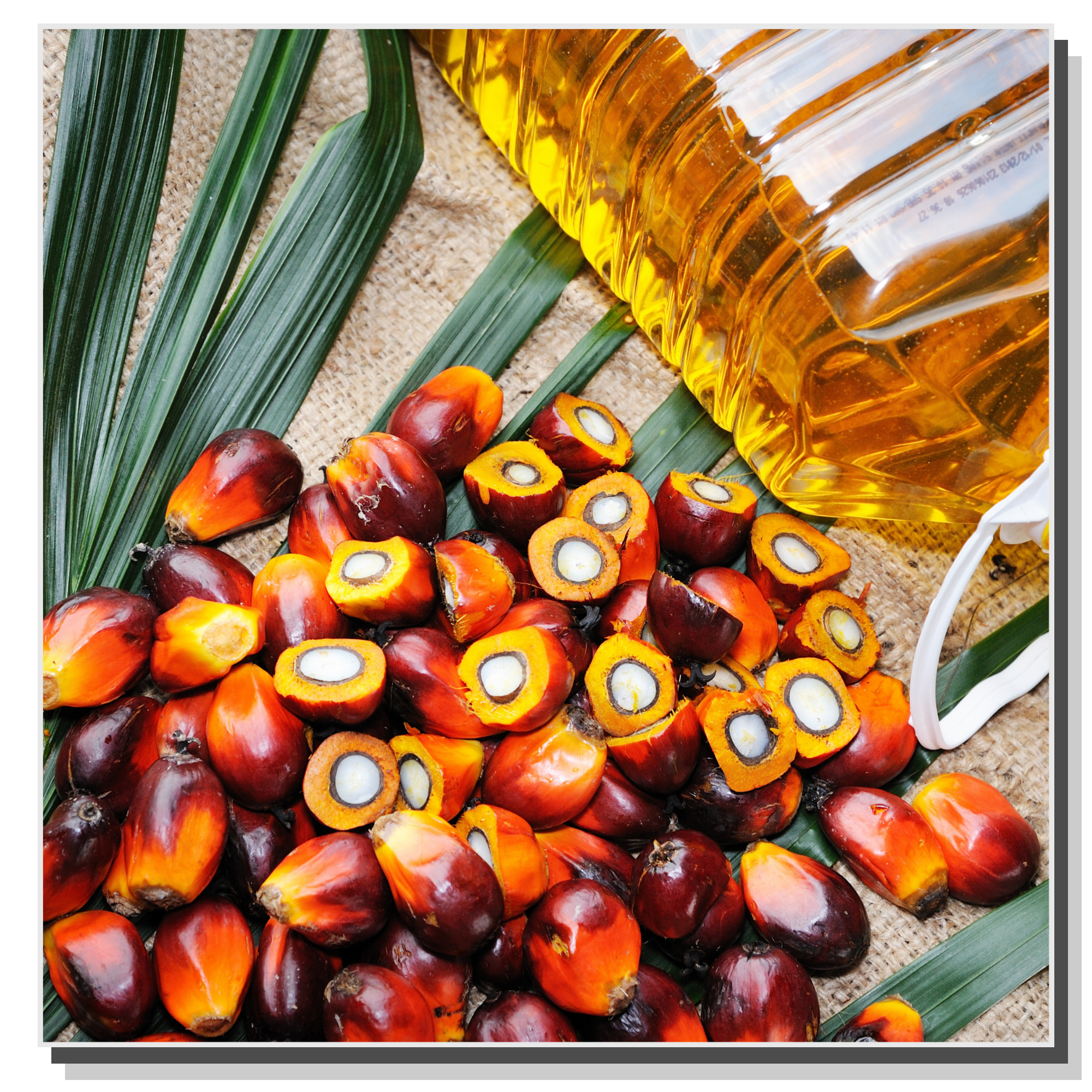
Red Palm Oil: Sitting at around 50% saturated fat, it is actually a fantastic source of beta-carotene and vitamin E. Loaded with antioxidants, it is the golden, rich stuff that gives our soups and stews that depth of flavour you simply cannot replicate.
Palm Kernel Oil: This one is over 80% saturated fat and chemically very similar to coconut oil.
Which brings me to my main question: How are some of you happily slapping coconut oil into every meal, yet the second red palm oil enters the chat, everyone starts making noise? The math is not mathing!
Now, let us be guided here. I am not telling you to drink the stuff by the gallon. Moderation is still key! I am just heartbroken seeing people abandon a staple ingredient that brings so much life and richness to traditional dishes, all because of decades of bad press.
So, use the oil! Just do not use too much of it, and try not to overheat it until it is smoking to high heaven. That creates an entirely different problem, but that is a story for another day.
Stop giving in to the public bashing. Justice for palm oil will be served. Go and enjoy your designer stew in peace... served with a generous portion of vegetables, of course.


Let's keep in touch
For general enquiries about Food for Purpose:
For Newsletter enquiries / content suggestions: