Edition 41
March 2026


RAG: The Culture That Carries Us
By Shola Oladipo, Food for Purpose CEO
Recognition. Appreciation. Gratitude.
Can you believe we are already in March? The transition from January has been swift — full of activity, fresh ideas, and meaningful progress here at FFP. February helped us launch new initiatives while also rounding off important projects. It has been a rich start to the year.
March always gives me perspective.
The urgency of January has settled. The excitement of new plans has met real work. And in this space, culture matters.
This month, I want to anchor us in three simple but powerful forces I call RAG: Recognition, Appreciation and Gratitude. These values underpin success in both big milestones and small daily wins.
Recognition is the discipline of seeing. That is seeing effort, excellence and consistency, especially when it is quiet. When people are recognised, they know they matter. Sometimes it’s recognition of yourself too, not being too hard on your own efforts.
Appreciation goes a step further. It says not just “I saw it,” but “It made a difference.” Appreciation strengthens our FFP culture. It turns tasks into teamwork and service into shared purpose. It’s more than a hollow “thank you”; it’s substantial in word and deed, it’s humble and relevant.
And then there is Gratitude - the multiplier. Gratitude can shift us from pressure to progress, from simply meeting targets to stewarding impact. It reminds us that progress is never a solo effort too.
So whether at home, at work, at church, in your communities, and in the everyday moments of life, try the RAG.
I certainly will be.
Blessings,
Shola


CEO Says - RAG: The Culture That Carries Us
Physical Activity Tips - Active Children in a Digital World
Recipe of the Month - Curried Chicken with Chickpeas
A - Z of Soul Food - Za’atar
Balanced Bites - Love Your Heart Without Losing the Flavour
Diabetes Tips - Understanding Diabetes in the African Caribbean Community: A Healthy Start to the New Year
Let’s Talk - How to Stress Your Body Out in One Easy Step

Keep the Faith - Women of Influence 2026
We’re so proud to share that our CEO, Dr Shola Oladipo, has been featured in the latest Keep the Faith magazine as one of the Women of Influence for 2026.
This list highlights Christian women who are transforming communities and creating lasting impact. Follow the link below and find the list on page 18!
https://issuu.com/keepthefaith/docs/keep_the_faith_magazine_issue_141

Click image above for PDF version
British Heart Foundation Discussion Groups
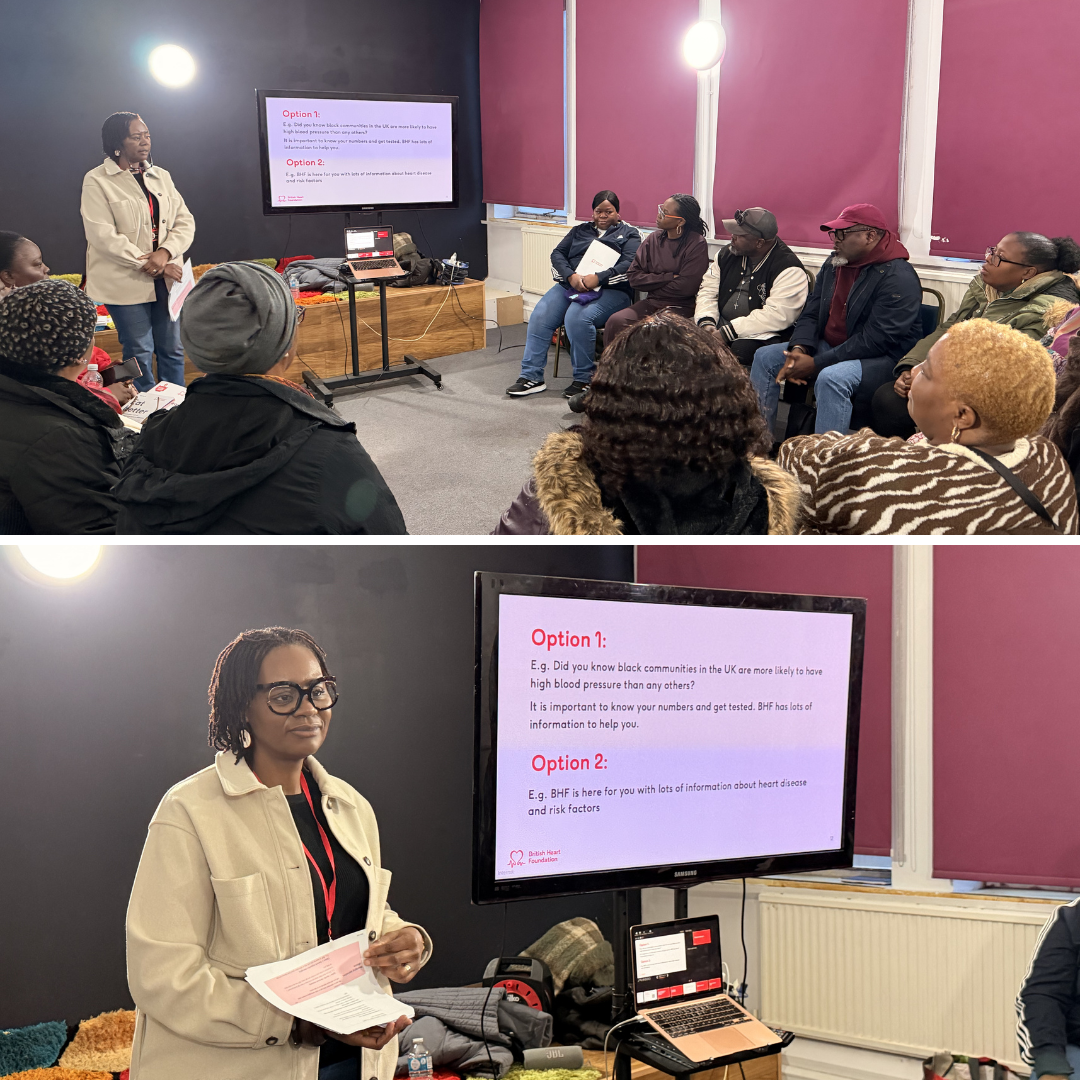
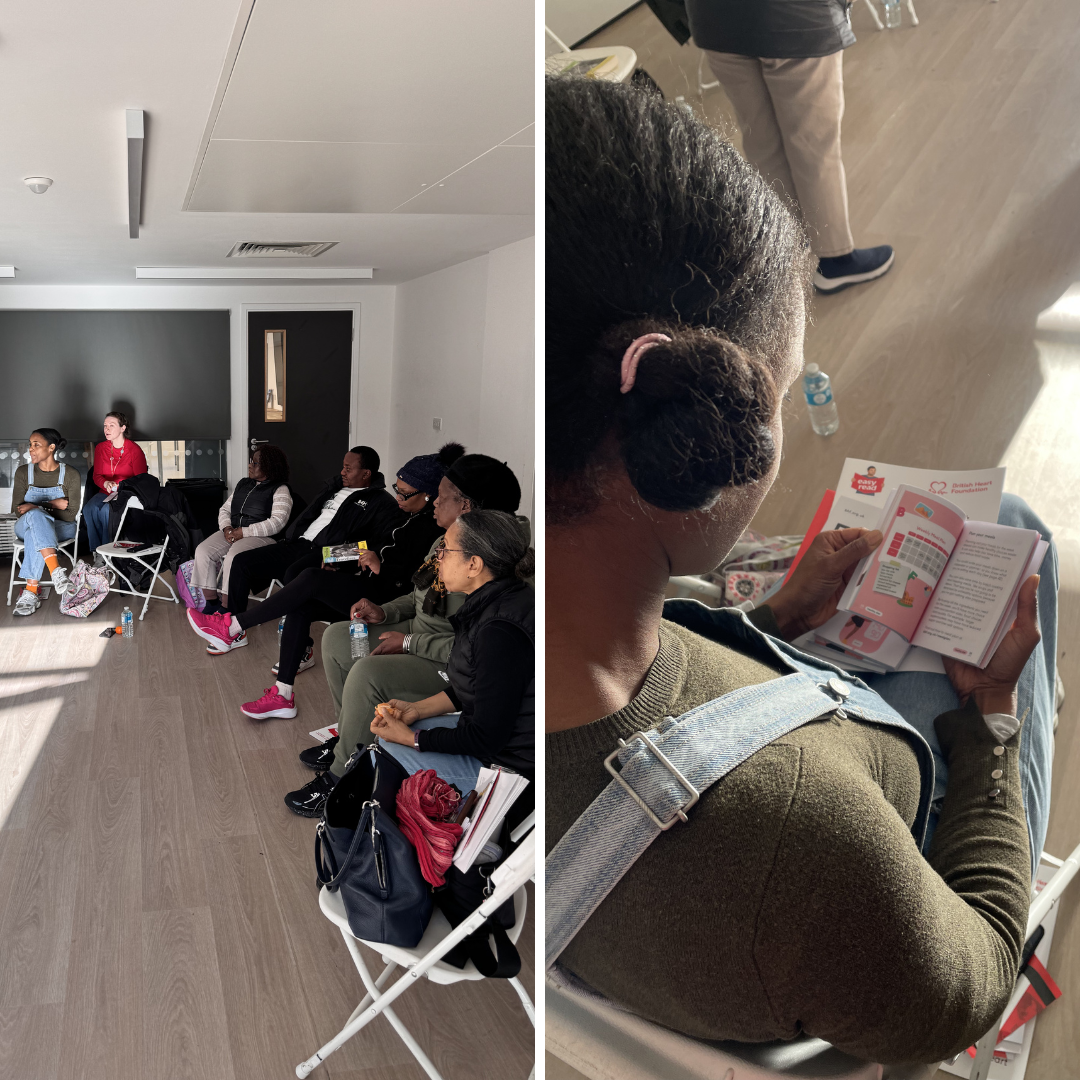
Last month, we hosted two focus groups in collaboration with the British Heart Foundation. We had such meaningful conversations with our amazing participants, who generously shared their lived experiences and valuable insights on how the BHF can improve its heart health information and resources for the Black community.
Thank you to everyone who took part, your voices truly matter and will help shape and strengthen the information available to our community.
New Food for Purpose Opportunity!
📣 We’re hiring!
We’re looking for Cooking Session Support Staff to support our African Caribbean cooking sessions.
If you’re interested or would like to apply, please use the contact details below to get in touch.
Contact: Modupe PetersPhone: 07957 454599
Email: modupe.peters@foodforpurpose.org

Family, Faith and Health: A Church Based Approach to Immunisation
We recently celebrated the official launch of this new Bible-based resource on immunity and family health, created to support informed, confident conversations within our communities.
Hosted by us in partnership with Black church leaders, NHS community teams, and public health professionals, the launch marked an important step in equipping churches with a faith-rooted health resource grounded in both Scripture and clinical expertise.
This video wasn’t created in isolation. It was shaped through extensive community engagement, including discussion groups, workshops, and conversations with church leaders, Black parents, and young people. It directly responds to longstanding questions and concerns around vaccination, immunity, and family wellbeing, reflecting the real lived experiences of Black families and faith communities.
We would love for you to:
• Watch the full video
• Share your thoughts and feedback
🎥 Watch here:
https://youtu.be/O-ZZHWee9ZA?si=eExISUw7XyVBwBQe
📝 Share your feedback here:
https://forms.gle/zxD6XXMtQRmJ5QQ68
Your voice matters, and your feedback will help strengthen this resource for our community.
To see more photos and highlights from the launch day, click here to visit our Instagram page

BUD Leaders Hackathon
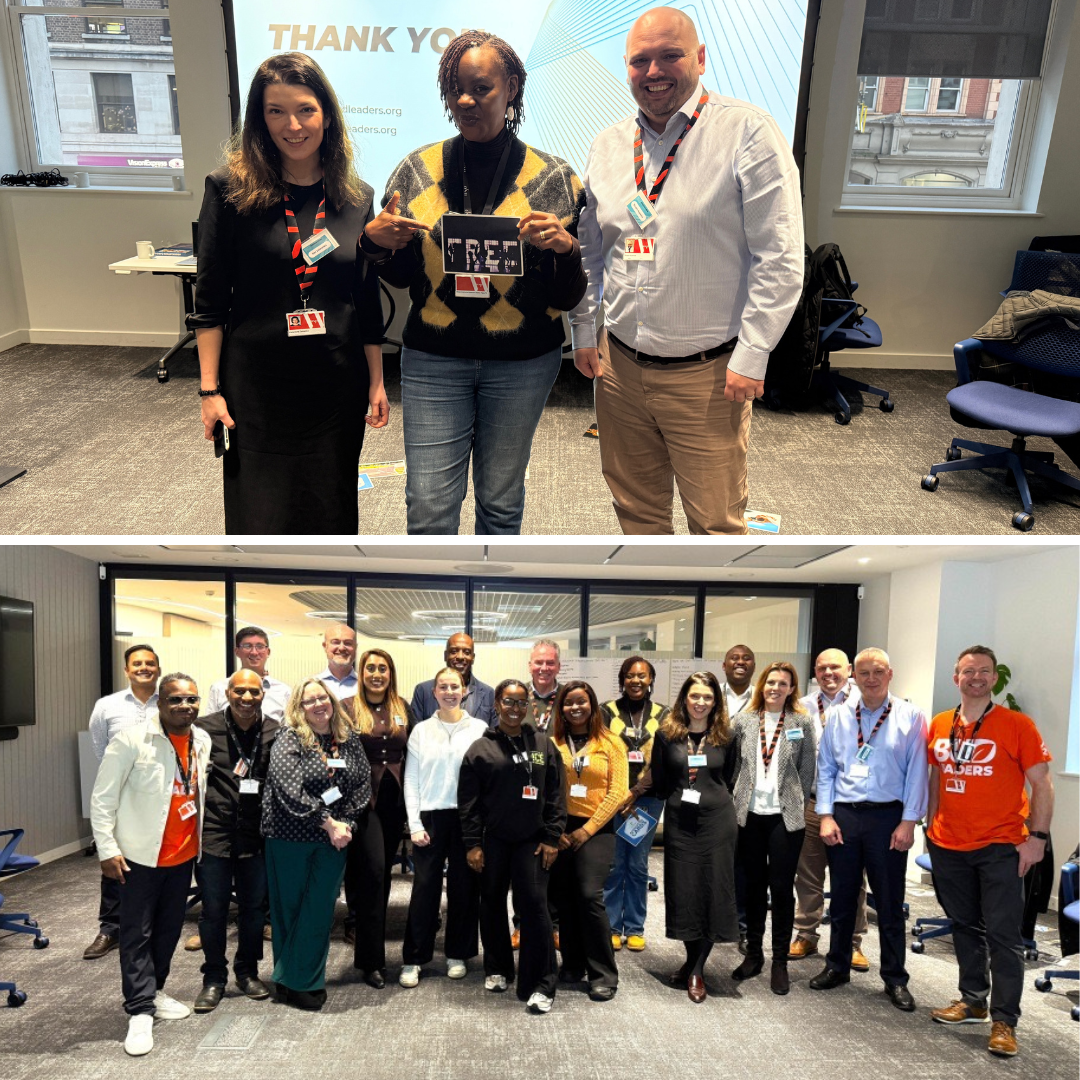
In January, our CEO attended the BUD Leaders Hackathon, and it was such an energising experience!
The team and WSP colleagues supported her by creating space for focused thinking, honest discussion, and practical problem-solving around a real business challenge.
It was truly empowering to be supported, stretched, and encouraged in a collaborative environment that champions growth and action. Grateful for the insight, encouragement, and the reminder that progress happens faster when you don’t build alone
National Days / Weeks / Month - March 2026
9th-15th - Healthcare Science Week
12th - World Kidney Day
13th - World Sleep Day
16th-22nd - Nutrition & Hydration Week
20th - World Oral Health Day


We know you’ve been keen to hear what the Healthy Church Initiative (HCI) has been up to lately. It has been a busy few months, and we are delighted to share some highlights from our recent partnerships.
St John’s Church, Plumstead
We recently wrapped up our six-month programme with St John’s. It was a wonderful experience running monthly sessions with such an engaged group. A heartfelt thank you goes to Rev. Timmy and the leadership team, as well as our dedicated Health Champions and the congregation, who welcomed us so warmly and shared many fantastic moments with us.
Tender Grace Christian Centre
Our work with Tender Grace is well underway. The first session was a huge success, and we have already launched a walking challenge with the group, there is nothing like a bit of friendly competition to get people motivated! Our thanks to Pastors Taiwo and Comfort Ogunjobi for inviting us to share the HCI programme with their congregation.
King’s Chapel
We are also excited to announce that we are launching a new programme with King’s Chapel this month. We would like to thank Pastor Timothy Oladipo for his support; we can’t wait to kick things off and get started!
Check out the links below to find out what we’ve been up to lately.
https://www.instagram.com/p/DTmr1bVDBSs/?igsh=MXAzN3c1dDJwcmF0OQ==
https://www.instagram.com/p/DUC-UzLDFLU/?igsh=eGp6cHhhdWNiNjds
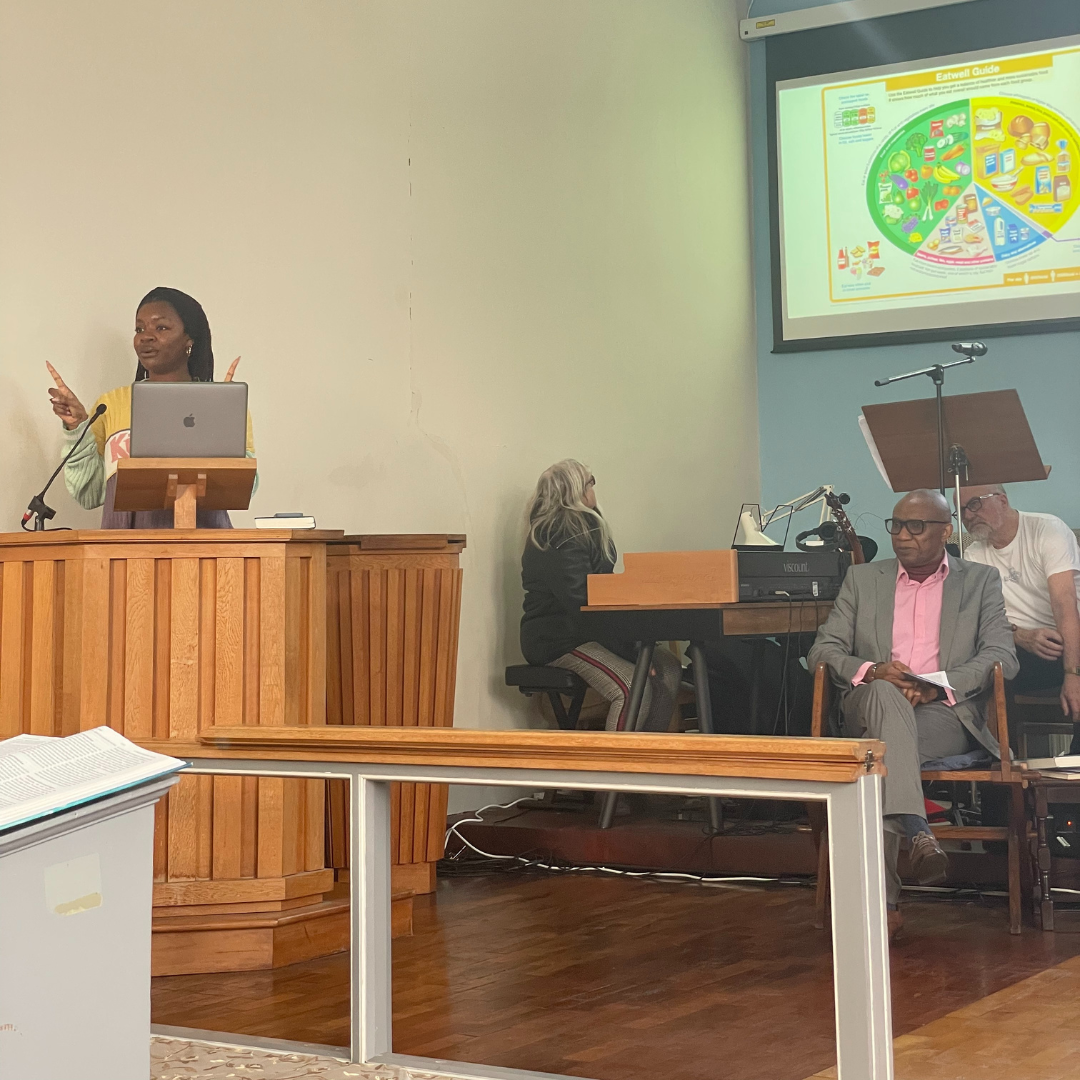




Active Children in a Digital World
By Precious Oladipo
FFP Director & Physical Activity Lead

I still remember the old story from my childhood: the boy who watched so much telly that his eyes turned square. While that myth didn't exactly stop me from watching my favorite shows, the children of today face a level of digital temptation I never had to navigate.
From phones and tablets to gaming and streaming, screens are everywhere. In fact, one in five children now spends at least seven hours a day glued to a device.
The Cost of a Sedentary Lifestyle
It’s a shocking statistic, especially when compared to current health guidelines. Less than half of all children and young people currently meet the recommended 60 minutes of daily physical activity. While we can't blame screens for everything, the correlation is hard to ignore.
Right now, sedentary behavior is a primary driver of the UK’s obesity crisis. Over a third of primary school children (36%) are already classified as overweight or obese, a figure expected to rise over the next decade. Beyond physical weight, excessive screen time is actively impacting children’s sleep, attention spans, and overall mental wellbeing.
Why Movement Matters
I’m not suggesting we throw every tablet and console out the window. Screens are a permanent fixture of modern childhood, and like anything else, the key is balance.
Keeping active isn't just about "burning energy"; it’s a powerhouse for development. Regular movement helps children:
Physically: Build strong bones, healthy muscles, and maintain a healthy weight.
Mentally: Reduce anxiety and improve focus.
Socially: Build confidence and teamwork skills through play.
Small Changes this Easter
With the Easter holidays here, it’s incredibly tempting to let the kids head straight for the screens so you can catch a break. I get it! But using devices as a "digital babysitter" is often a quick fix that replaces vital outdoor play.
This week, try to nudge the balance back toward movement:
Get Outside: Encourage active play in the fresh air if the weather allows.
Family Fitness: If you can't get out, bring the movement inside! There are brilliant family-friendly workouts on YouTube that you can do together.
Lead by Example: Encouraging daily movement now builds lifelong habits.
Remember, small changes make a big difference. Let’s trade some of those "square eyes" for some tired legs and happy hearts!


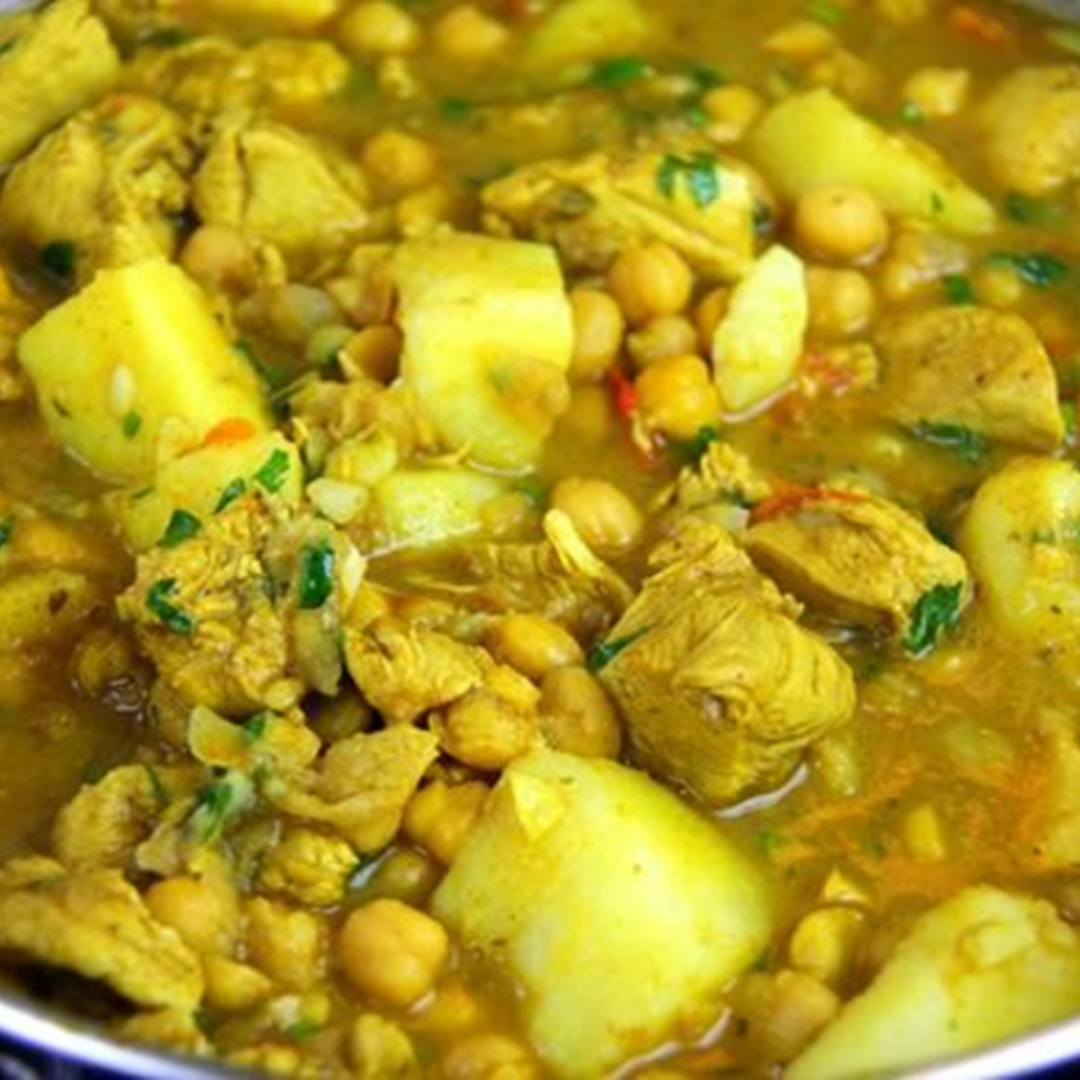
Curried Chicken with Chickpeas
Preparation Details
Prep time: 15 minutes
Cooking time: 40-50 minutes
Serves: 4–5
Ingredients
Chicken:
500g chicken thighs, boneless and skinless, cut into bite-sized pieces
2 tsp allspice
1 tsp turmeric
1 tsp dried thyme
1 tbsp Caribbean curry powder
1 small onion, finely chopped
Curry:
1 tbsp olive oil
1 large onion, finely chopped
2 spring onions, chopped
3 garlic cloves, chopped
1 thumb-sized piece of ginger, grated
1 scotch bonnet chilli, deseeded and finely chopped (optional for heat)
2 tbsp Caribbean curry powder
2 large carrots, chopped
1 sweet potato, cleaned and diced
120g chickpeas, cooked and drained
2 sprigs thyme
Salt and black pepper, to taste
150ml water
Fresh coriander, to garnish
Method
In a mixing bowl, add the chicken pieces, curry powder, onion, allspice, dried thyme, and turmeric. Set aside.
Heat the olive oil in a large saucepan over medium heat. Add the onions and cook until soft and translucent, about 5 minutes.
Stir in the garlic, ginger, spring onions, and scotch bonnet chilli. Cook for another minute.
Add the curry powder and cook, stirring constantly, for 2 minutes to release the flavours.
Add the chicken pieces and turn to coat in the spices. Cook until the chicken is lightly browned on all sides.
Add the chickpeas and thyme, then pour in the water. Add the sweet potato and carrots. Season with salt and pepper.
Bring to the boil, then reduce the heat and simmer gently for 25–30 minutes, or until the chicken is cooked through and the sauce has thickened.
Remove the thyme sprigs.
Garnish with fresh coriander and serve hot with steamed rice or roti.
This dish is comforting, full of flavour, and sure to become a favourite in your kitchen.
Tips
For convenience, tinned chickpeas can be used.
The dish can be made vegetarian by omitting the chicken.
Image courtesy of:
https://i.pinimg.com/originals/95/63/16/9563169be8bf2621f9bb67b842928945.jpg

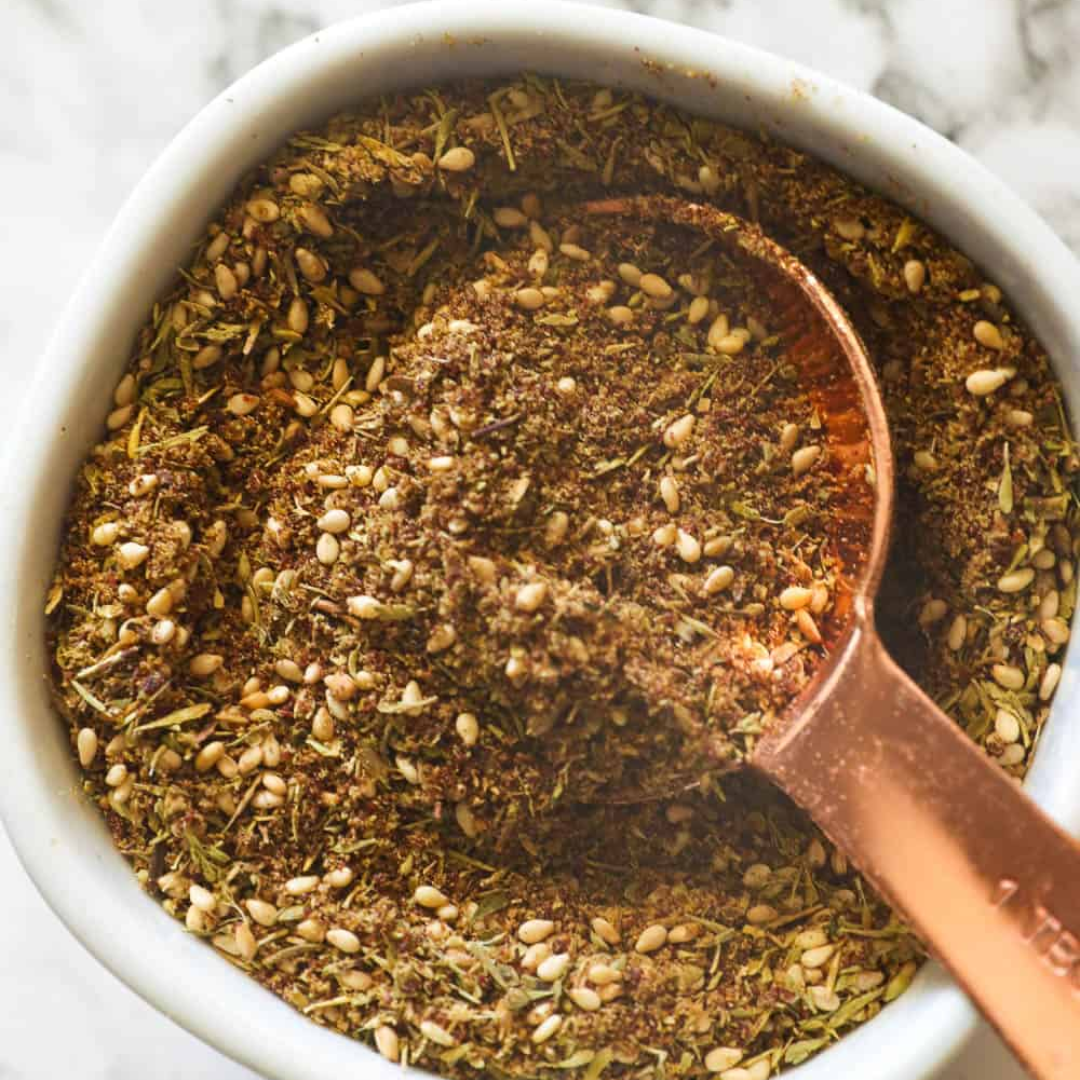
Za’atar
This month, we’re celebrating Za’atar for the letter Z!
This month, we’re celebrating Za’atar for the letter Z!
Za’atar
Za’atar is a fragrant Middle Eastern herb blend with roots stretching back to ancient Eqypt that brings warmth and depth to countless dishes. The name za’atar can refer to both the spice mix and the wild thyme herb itself, which grows across the Levant region (Syria, Lebanon, Jordan and Palestine). Traditionally, Za’atar is made by combining dried thyme (or oregano), sumac, toasted sesame seeds, and salt. This aromatic mixture has been used for centuries to season breads, meats, salads, and dips - most famously sprinkled over warm flatbread with olive oil.
Nutritionally, Za’atar:
Is rich in antioxidants, especially from thyme and sumac, which help protect cells from oxidative stress and support overall immune health.
Provides essential minerals and healthy fats, with sesame seeds offering calcium, iron, and heart-healthy oils.
Where to Find Za’atar in the UK
Middle Eastern and Mediterranean Shops: Authentic Za’atar blends can be found in specialist grocery shops and markets.
Supermarkets and Online Retailers: Many UK supermarkets now stock Za’atar in the spice aisle or world foods section, and premium blends are available from artisanal spice companies online.
Top image courtesy of: https://www.africanbites.com/?s=za%27atar

Love Your Heart Without Losing the Flavour
Your Guide to Nutrition Made Simple!
Reducing your intake of saturated fat is one of the most effective ways to lower LDL (bad) cholesterol and protect your heart. Making small, gradual changes to how you cook and shop is the best way to turn these adjustments into long-term habits.
Changing the Cooking Method
You can significantly reduce the amount of oil you use by making a few simple adjustments in the kitchen:
Steam, grill, poach, bake, or air fry instead of frying.
Use kitchen roll to remove excess oil from foods like plantain or puff-puff.
Trim visible fat and remove the skin from meat before cooking.
Rebalancing the Plate
Filling your plate with more plant-based ingredients is an easy way to reduce fat intake while staying full:
Use smaller portions of meat and increase the amount of vegetables like okra, garden egg, or kale
Add pulses such as kidney beans, chickpeas, and lentils to stews and soups to add heart-healthy fibre.
Managing Saturated Fats
Saturated fats, found in butter, lard, palm oil, and full-fat dairy - can be damaging to heart health. To keep your levels in check:
Use dairy alternatives or low-fat options, such as low-fat coconut milk or semi-skimmed milk, instead of whole milk.
If using palm oil, cook at lower temperatures to prevent bleaching.
Measure oil with a spoon rather than pouring freely from the bottle to control the amount used.
Choose a couple of these changes that feel manageable for your routine this week. Starting gradually makes it much easier to stick to these habits long-term!
(A big thank you to Jesse, a student from the University of Nottingham for writing for this edition’s ‘Balanced Bites’)
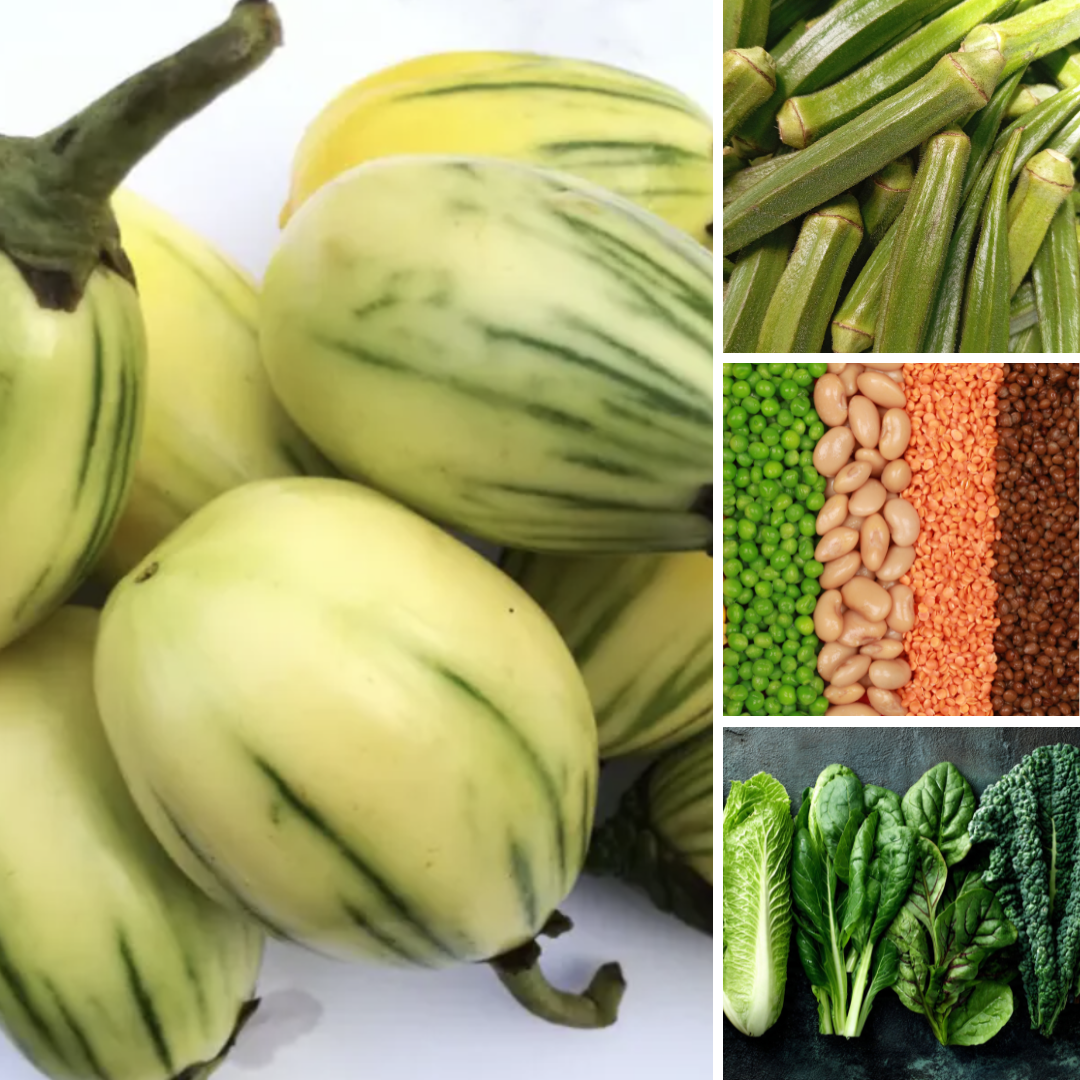
Garden egg image courtesy of https://ogbongeh.com/

Understanding Diabetes in the African Caribbean Community: A Healthy Start to the New Year
By Modupe Peters
FFP Director & Diabetes Lead
Now that we have settled into 2026, it’s a great time to reflect on our health and wellbeing. One condition that continues to affect the African Caribbean community at higher rates than the general population is type 2 diabetes. Understanding diabetes and how we can reduce our risk is an important step towards healthier futures for ourselves and our families.
What is diabetes?
Diabetes is a long-term condition where the body is unable to properly control blood sugar (glucose) levels. Over time, high blood sugar can damage the heart, kidneys, eyes, nerves, and feet. Type 2 diabetes is the most common form and is strongly linked to lifestyle factors, genetics, and ethnicity.
Why is diabetes more common in African Caribbean communities?
People of African Caribbean heritage are up to two to four times more likely to develop Type 2 diabetes than white population and often at a younger age. Contributing factors include a strong family history, higher rates of insulin resistance, and changes in diet and physical activity following migration and modern lifestyles.
Food, culture, and balance
Traditional African Caribbean foods are rich in flavour and heritage, and many can absolutely be part of a healthy diet. The key is balance and portion size. Reducing fried foods, limiting sugary drinks, and choosing more grilled, baked, or stewed options can help. Including more vegetables, beans, whole grains, and lean proteins supports good blood sugar control without losing cultural identity.
Small lifestyle changes make a big difference
· Aim for regular movement, even brisk walking, dancing, or gardening counts
· Maintain a healthy weight for your body type
· Get regular health checks, especially if diabetes runs in your family
· Take medications as prescribed and attend diabetes reviews if diagnosed
Looking ahead
Diabetes does not have to define your future. With early awareness, healthier choices, and community support, it is possible to prevent Type 2 diabetes or live well with it. This new year let’s prioritise knowledge, proactive care, and healthier habits - one step at a time.
Your health is your wealth.


How to Stress Your Body Out in One Easy Step
"I don’t usually eat much; I just have one large meal at the end of the day."
First off, let’s be clear: this isn't the flex you think it is. You aren't winning a Blue Peter badge for nutritional martyrdom, and honestly, the "starve-then-stuff" routine isn't the weight-loss shortcut you’re hoping for.
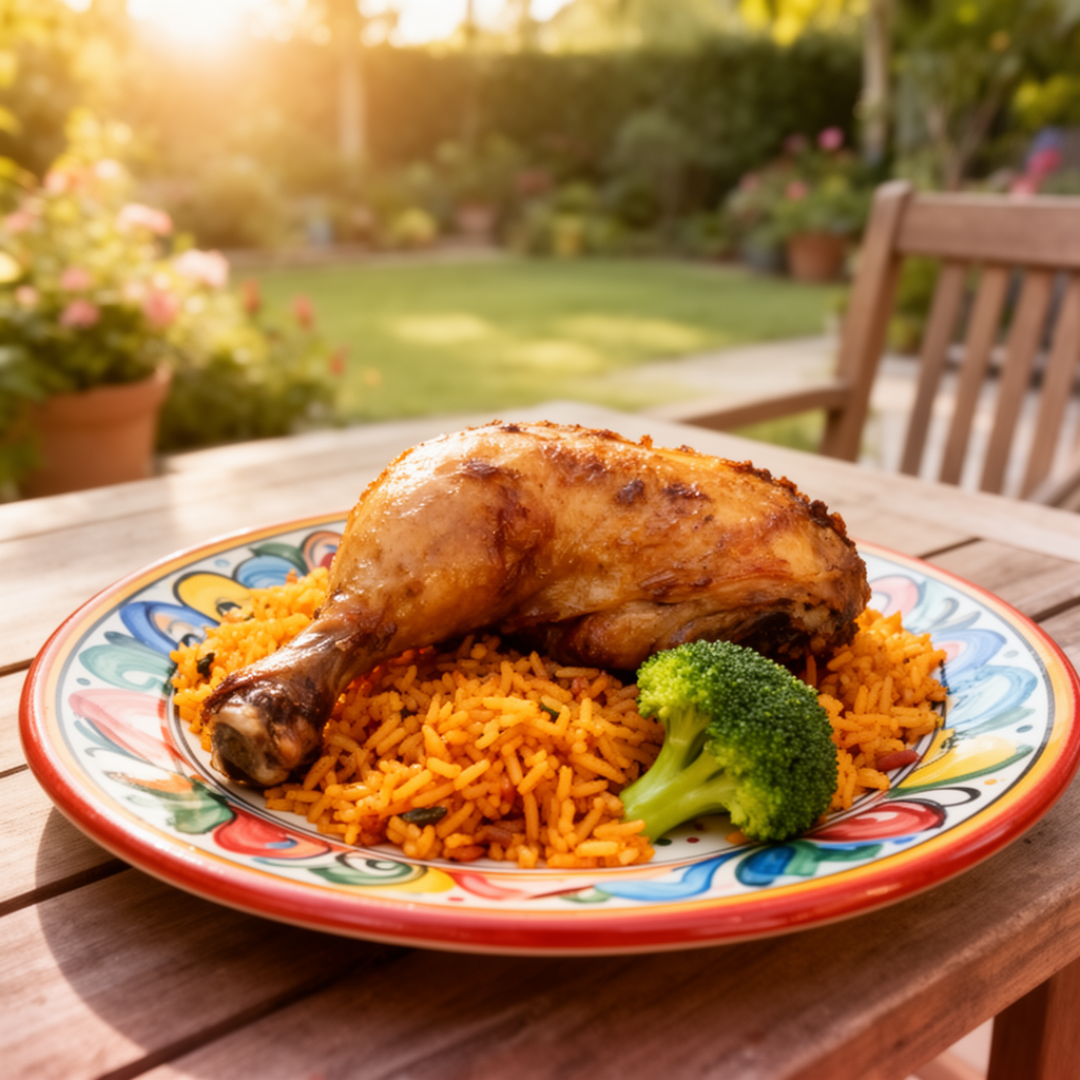
Sitting down to a mountain of chicken and rice at 9pm in a portion size that would feed three adults doesn't make you a gold-standard eater. It just makes you a very tired, very bloated human. Also, a quick roll call for the fruits and vegetables? Even if you snuck a broccoli floret into that late-night feast, you’re still missing about four other portions of fruit and veg which give you the vitamins and minerals your body actually needs to function.
By ignoring your hunger cues all day, you aren't "training" your metabolism; you’re stressing it out. Your body thinks it’s in a famine. When the food finally hits, your system screams "Store it!" instead of "Burn it!" to prepare for the next long drought.
And please, don't tell me "this is just how I am" or that you "enjoy the hunger." We both know the 4pm hangry version of you says otherwise. Also, don't even look at that bottle of multivitamins. They are called supplements, they are meant to supplement a diet, not act as a frantic apology for the one you don't have.
Eating one massive meal a day isn’t "efficient", it’s just a long-winded way to guarantee confusion within your body. You can manage your weight perfectly well (and feel a whole lot better) by trying a balanced breakfast, lunch, and dinner. Your digestive system, and your mood, will thank you.


Let's keep in touch
For general enquiries about Food for Purpose:
For Newsletter enquiries / content suggestions: