Edition 42
June 2026

All in 3 Months
By Shola Oladipo, Food for Purpose CEO
Dear Friends, Partners, Supporters and Purposeful You Community,
Welcome to another edition of Purposeful You.
The last time many of you read about our work was back in March, and what a journey these past few months have been for us at Food for Purpose CIC.
Honestly, one phrase keeps coming to mind: “All in 3 months.”
The awards and recognition.
The new contracts and partnerships.
The platforms. The visibility. The open doors.
This season has felt both exciting and stretching in equal measure.
What once existed as prayers, planning, difficult conversations, strategy meetings and community visioning is slowly becoming a tangible reality. The things we dreamed about a few years ago are beginning to happen in real time, and we are incredibly grateful.
Over the last few months, we have continued strengthening our work at the intersection of faith, health and culture, whilst deepening our commitment to culturally relevant and evidence-based health promotion for Black and Global Majority communities.
Since March, our journey has included:
Expanding conversations around culturally grounded health education and prevention
Developing and refining the ‘Rest • Digest • Reset’ initiative focused on sustainable wellbeing, heart health and healthy rhythms for Black male church leaders
Growing partnerships and strategic conversations across healthcare, faith and community spaces
Speaking at conferences and professional platforms around faith, behaviour, health inequalities and culturally tailored engagement
Continuing vaccine confidence and immunisation engagement work with trusted community approaches
Delivering practical nutrition and wellbeing conversations rooted in real life, culture and accessibility
Investing significant time into strengthening our internal structure, systems, governance and sustainability as an organisation
Celebrating moments of recognition which remind us that this work matters and that communities are responding to trusted, culturally intelligent approaches to health
This season has also brought a deeply humbling personal milestone with my nomination for a Black Healthcare Award. To be recognised amongst individuals and organisations working tirelessly to improve outcomes within Black communities is both encouraging and affirming. More importantly, it reflects the collective work, trust and commitment of our wider Food for Purpose community, partners, volunteers and supporters who continue to champion equitable and culturally relevant healthcare approaches.
This season has also marked an important step forward internally as we continue strengthening the operational side of our organisation. We are delighted to welcome new team members across both programme delivery and business infrastructure as we continue strengthening the organisation behind the mission.
This reflects our ongoing commitment not just to delivering impactful work, but to building the infrastructure needed for long-term excellence and scalability. We have also continued to use our social media platforms to educate, challenge, and encourage communities through conversations on prevention, cardiovascular health, women’s health, movement, rest, faith, food practices, and health behaviours.
What has become increasingly clear to us is this:
Growth is not simply about visibility.
It is about readiness.
As opportunities increase, we are learning how important it is to master the model behind the mission. Sustainable impact requires infrastructure, clarity, systems, healthy leadership and the courage to evolve.
We are not simply building programmes.
We are building sustainability, structure and longevity.
And whilst there is still lots to do, we are excited about the direction ahead.
Thank you for continuing to walk this journey with us and supporting our vision.
The dream is no longer distant.
Slowly but surely… it is happening.
With gratitude,
Dr Shola Oladipo


CEO Says - All in 3 Months
Physical Activity Tips - The Newbie Runner’s Survival Guide
Recipe of the Month - South African Rainbow Salad
Food Spotlight - Sorghum: The Ancient Grain Making a Modern Comeback
Balanced Bites - Getting Your 5-a-Day: The Why and the How
Diabetes Tips - Metformin and Vitamin B12: What You Should Know
Let’s Talk - Save Your Money: Why Your Wallet Needs a Detox, Not Your Body

New staff!
We are excited to officially welcome Kerry-Ann Francis to Food for Purpose CIC as our new Business Infrastructure and Development Officer!
Kerry-Ann joins us at an important phase of growth and development as we continue strengthening our programmes, partnerships, systems and community impact across faith, health and culture.
Her role will support impact delivery, project coordination, partnership development, consultant engagement, opportunity generation, and the practical systems that help our work grow sustainably and reach communities effectively.
Kerry-Ann already brings warmth, initiative, professionalism and strong leadership potential, and we are delighted to have her journey with Team FFP.
Welcome to the next chapter Kerry-Ann! ❤️
NatWest Pioneers100 and SE100 Index
Double celebrations are in order! We’re beyond excited to share that Food for Purpose has been named in the SE100 Index 2026 as one of the UK’s Top 100 social enterprises!
But the news doesn’t stop there, our CEO, Dr. Shola Oladipo has also been featured in the first-ever Pioneers100 list!
These lists from Pioneers Post and NatWest Social & Community Capital recognise the UK’s most pioneering organisations and the leaders driving them forward in social enterprise and mission-driven business.
Dr Shola, we see the work you do every day to make positive change happen. This recognition for both you and the organisation is so well-deserved. You are truly phenomenal!

Black Healthcare Awards Nomination
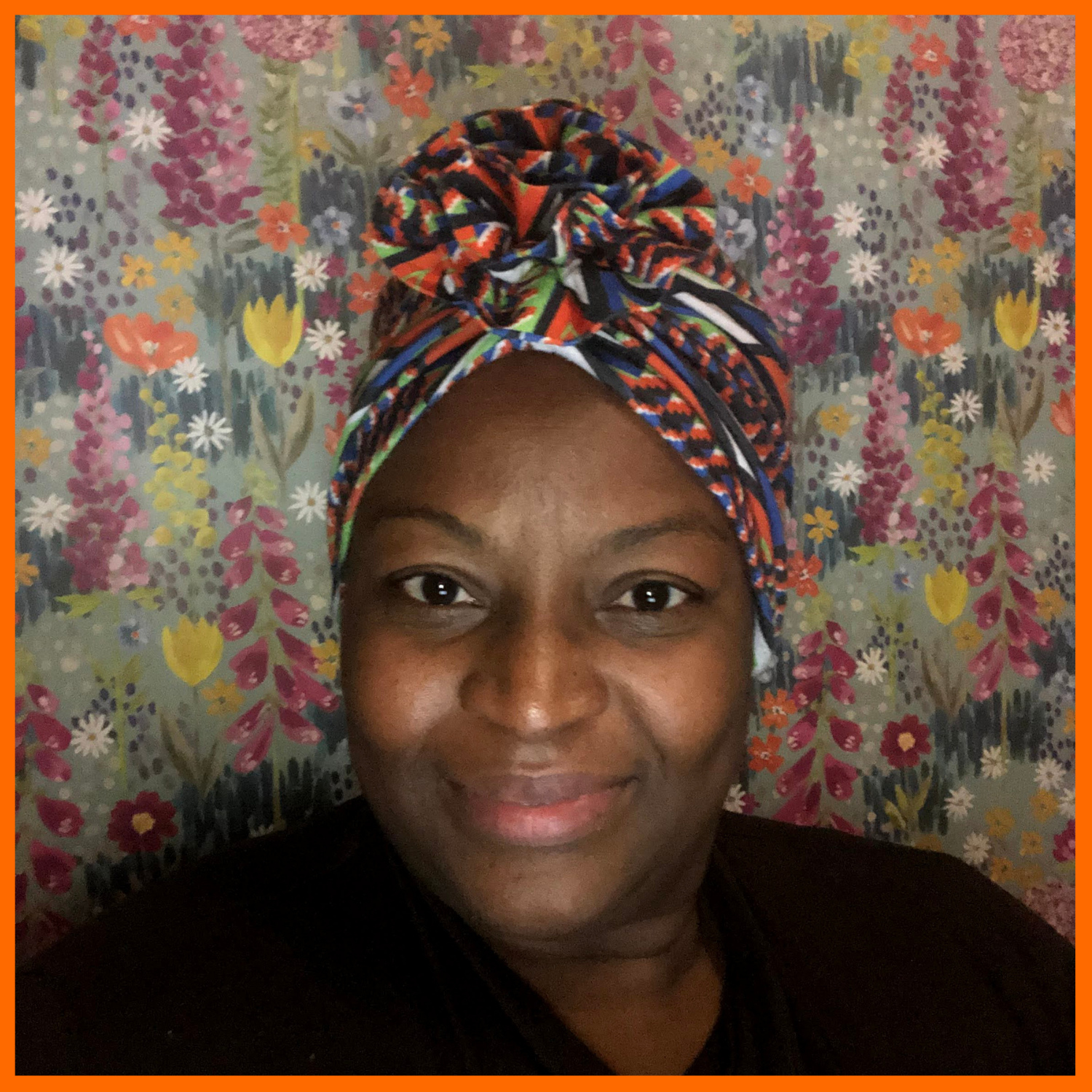
HUGE congratulations are in order for our CEO, Dr. Shola Oladipo! She has been officially shortlisted in the Allied Health Professional of the Year Award category at the Black Healthcare Awards 2026. This is a significant achievement and reflects her outstanding contribution to healthcare excellence, with her candidature selected by the panel of judges to progress to this next stage.
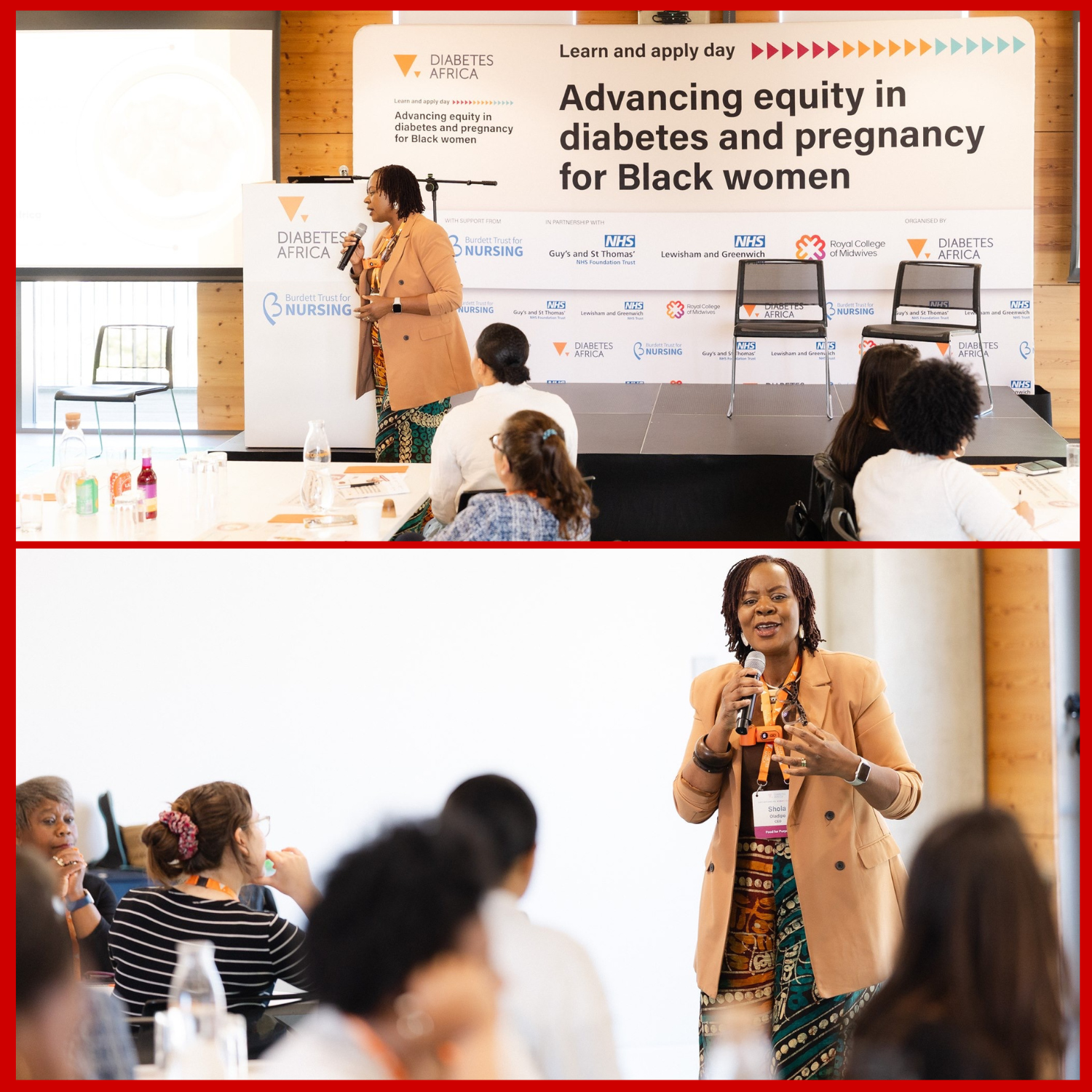
Diabetes Africa: Advancing Equity in Diabetes and Pregnancy for Black Women
In April, we attended the “Advancing Equity in Diabetes and Pregnancy for Black Women” conference hosted by Diabetes Africa. It was an honour to be part of such a vital mission to improve health outcomes for our community.
Dr Shola, and Jasmine Carbon turned the room into a space of discovery, exploring how traditional dishes like fish tea and goat pilau play a massive role in healthy pregnancies. It wasn’t just about “dieting”, it was about celebrating the foods our communities trust while managing diabetes with confidence.
Dr Shola also joined Dr Manju Chandiramani for an eye-opening chat on how family traditions and clinical advice can work together instead of clashing. The room was full of energy. Participants were engaged, informed, and curious, asking questions, listening with a new perspective, and showing a deep commitment to the cause.
When we respect the context of a woman’s life, we improve the quality of her care 🖤
Check here to read the full article covering the session.
Black Health Inequalities Summit 2026
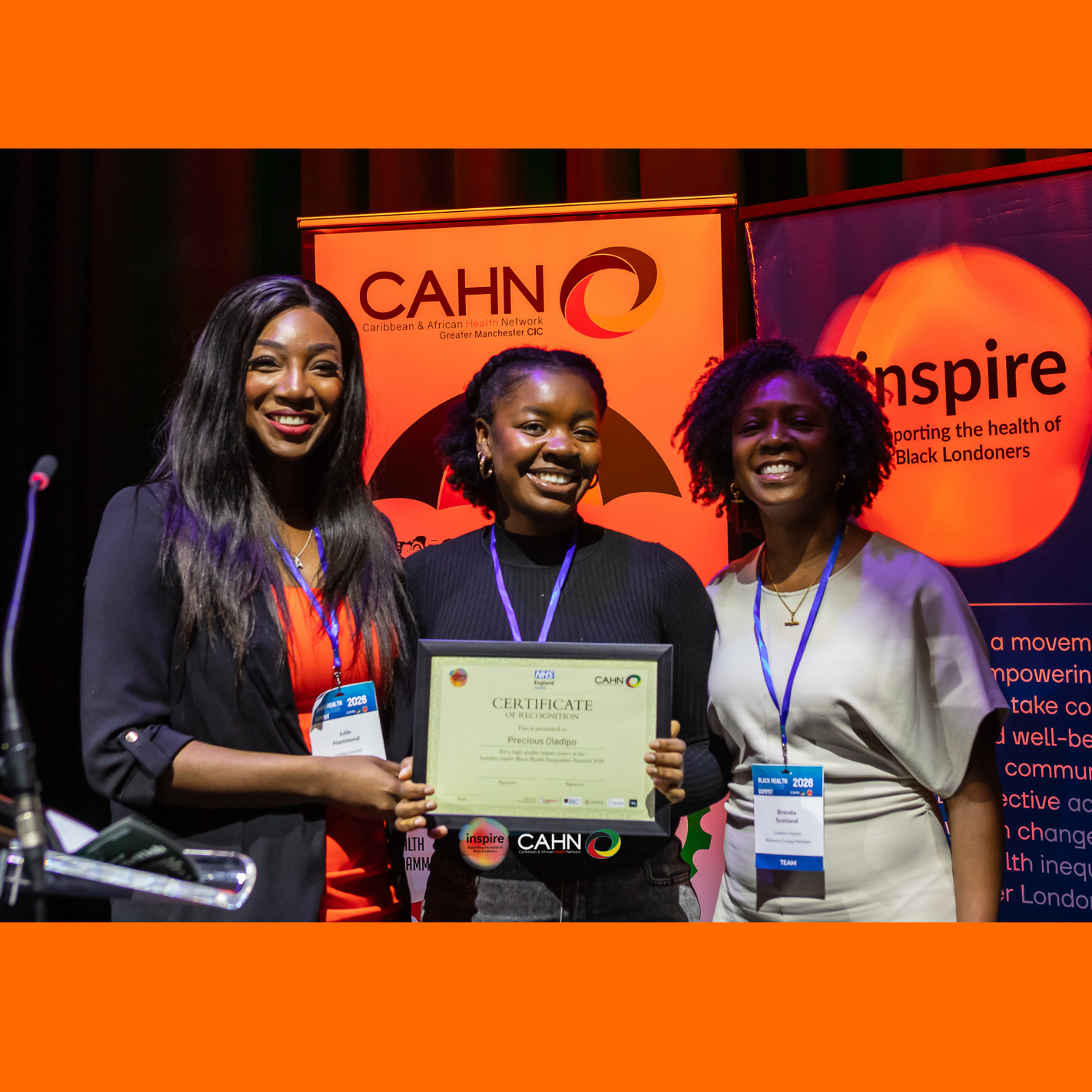
What an honour to receive a certificate of recognition at the Black Health Inequalities Summit!
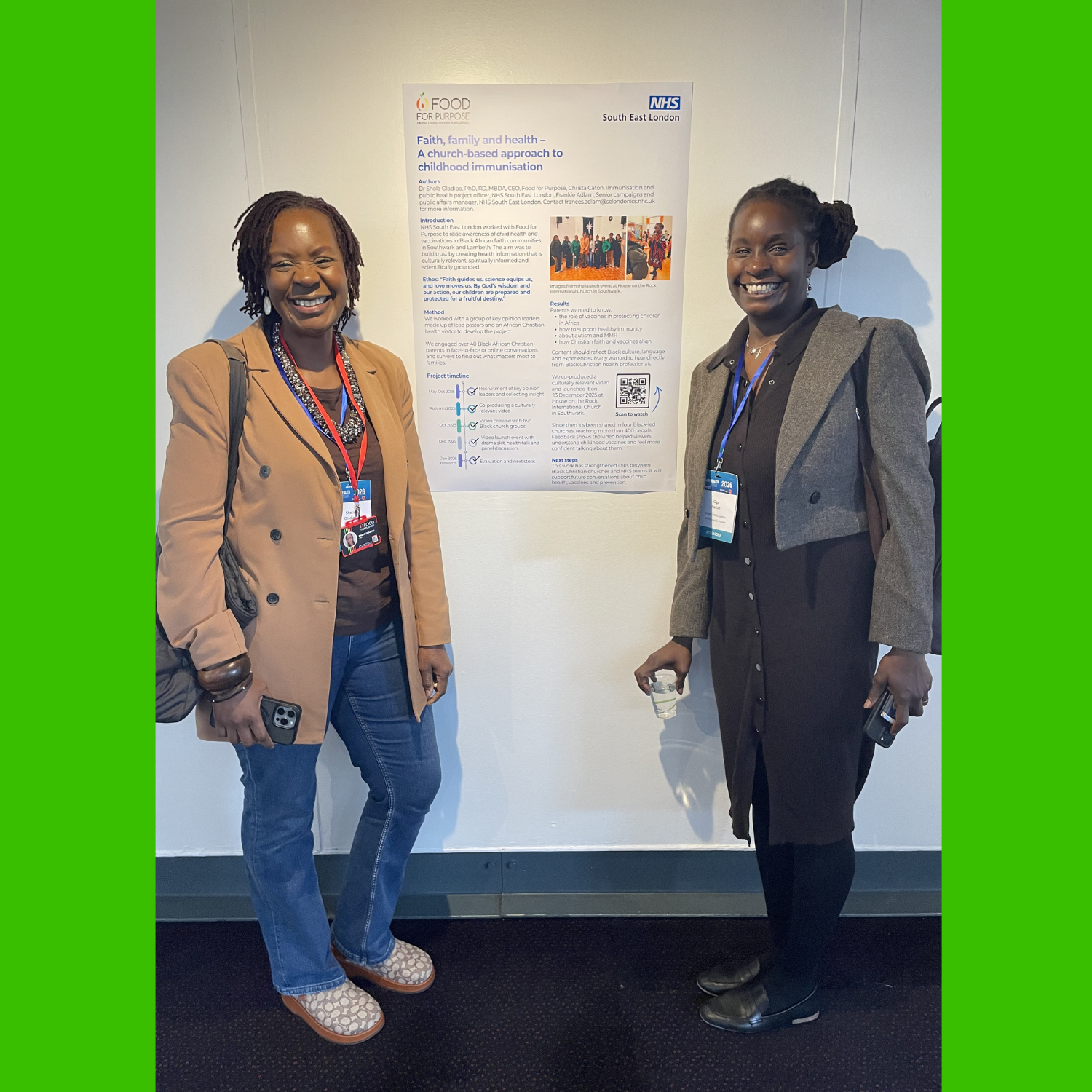
Our poster, ‘Culture, Care, and Co-Production: A Community-Led Approach to Maternal Health,’ highlights the importance of centring lived experiences. On behalf of Lewisham Council, Dr. Shola and Precious led this engagement piece to listen to and learn from Black African, Black Caribbean, and Asian pregnant women and new mothers.
Our goal was to ensure that future activity and nutrition programmes are truly culturally appropriate and inclusive.
A huge thank you to the Caribbean and African Health Network (CAHN) and London Inspire for this acknowledgement and for hosting such a powerful summit!
Off Grid Christianity Podcast
In May, Martin Purnell welcomed our CEO, Dr Shola Oladipo, onto his podcast, Off Grid Christianity, for a warm, witty and thought-provoking conversation exploring faith, food, culture and health. From biblical diets and diabetes to trust, the NHS and the role of church leaders in wellbeing, this engaging episode was filled with insight, humour and memorable moments. And yes… wait until you hear the five opening questions!
Listen here:
https://www.accessradio.biz/podcast/off-grid-christianity-episode-174-dr-shola-oladipo/

Science and Faith in Healthcare Conference
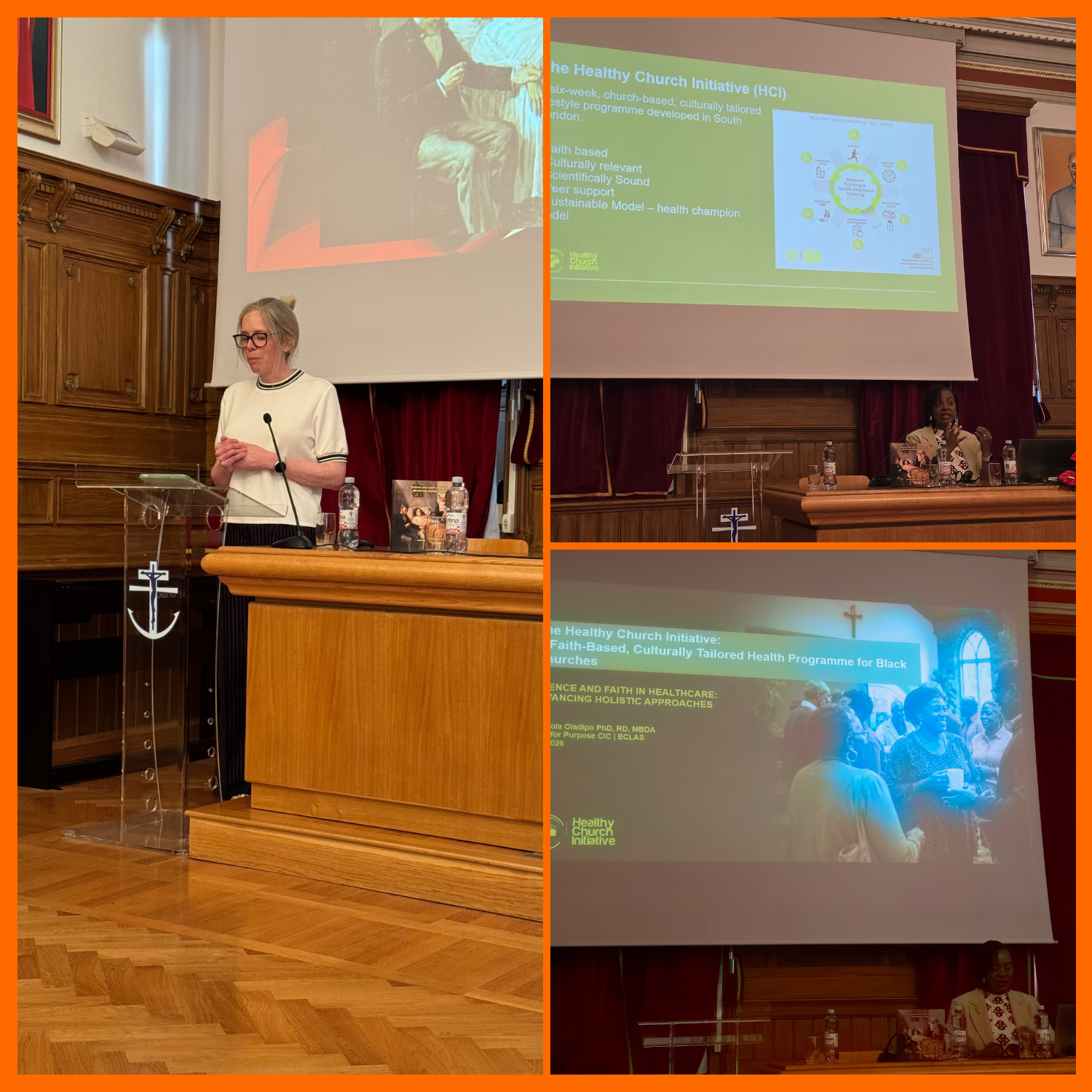
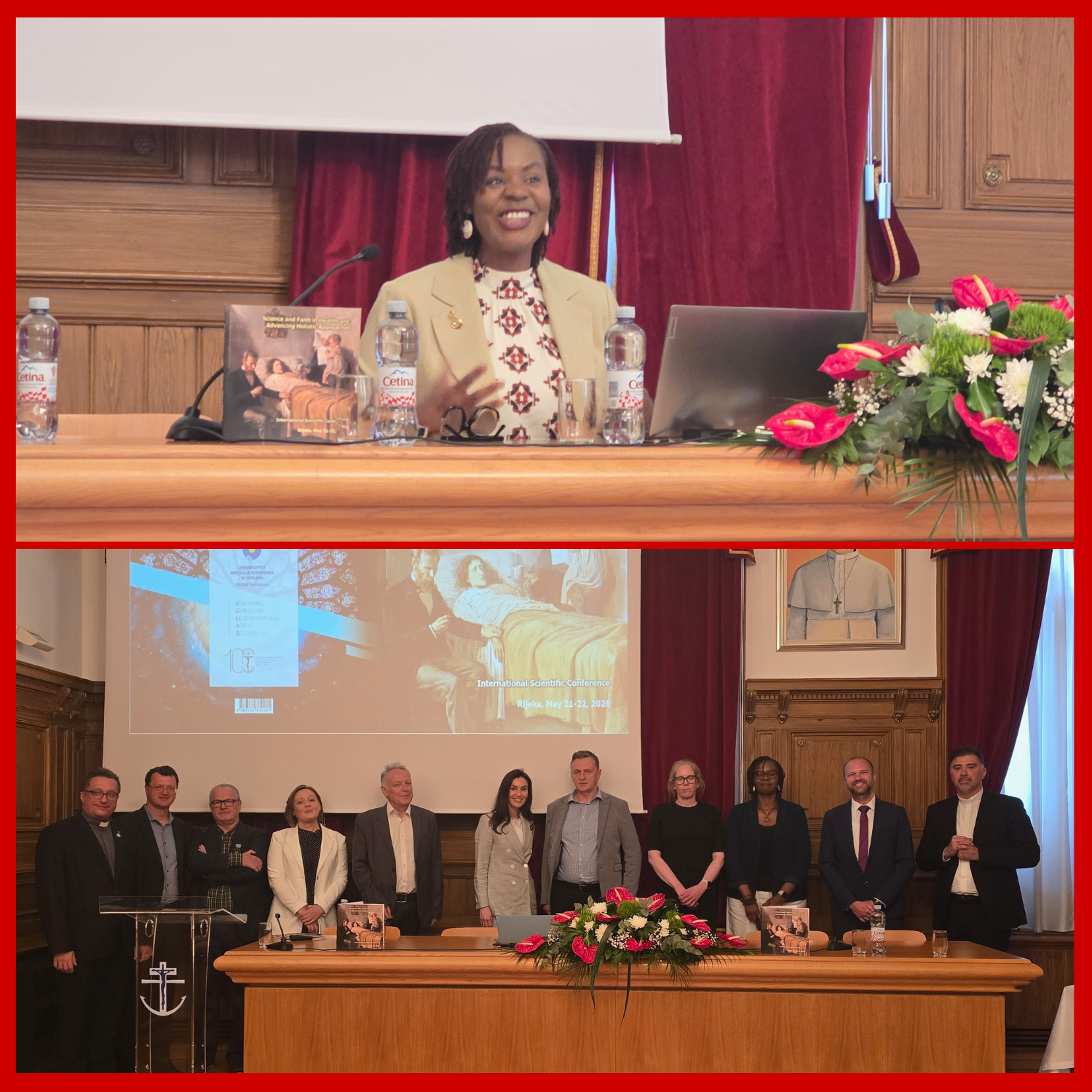
In May, Dr Shola Oladipo was honoured to speak alongside Revd. Dr Gillian Straine at the international conference Science and Faith in Healthcare: Advancing Holistic Approaches in Rijeka, Croatia, where both represented ECLAS (Equipping Church Leaders in an Age of Science).
During the two-day conference, Dr Shola presented on “From Pulpit to Prevention”, introducing Food for Purpose CIC’s Healthy Church Initiative (HCI) as a practical example of how faith, health and cultural relevance can come together to address health inequalities in Black communities across the UK.
Her presentation highlighted the role of Black churches as trusted community spaces and positioned faith-based, culturally tailored health promotion as part of the wider public health solution for improving prevention, lifestyle behaviours and long-term wellbeing.
National Days / Weeks / Month - June to August 2026
June
1st – 5th - Dietitians week
1st - 7th - Volunteers’ Week
8th - 14th - Diabetes Week & Bike Week
15th - 21st – Men’s Health Week
22nd - Windrush Day
July
5th - NHS birthday
6th - 12th - Alcohol Awareness Week
18th - Black Leaders Awareness Day
August
1st - 7th - World Breastfeeding Awareness Week

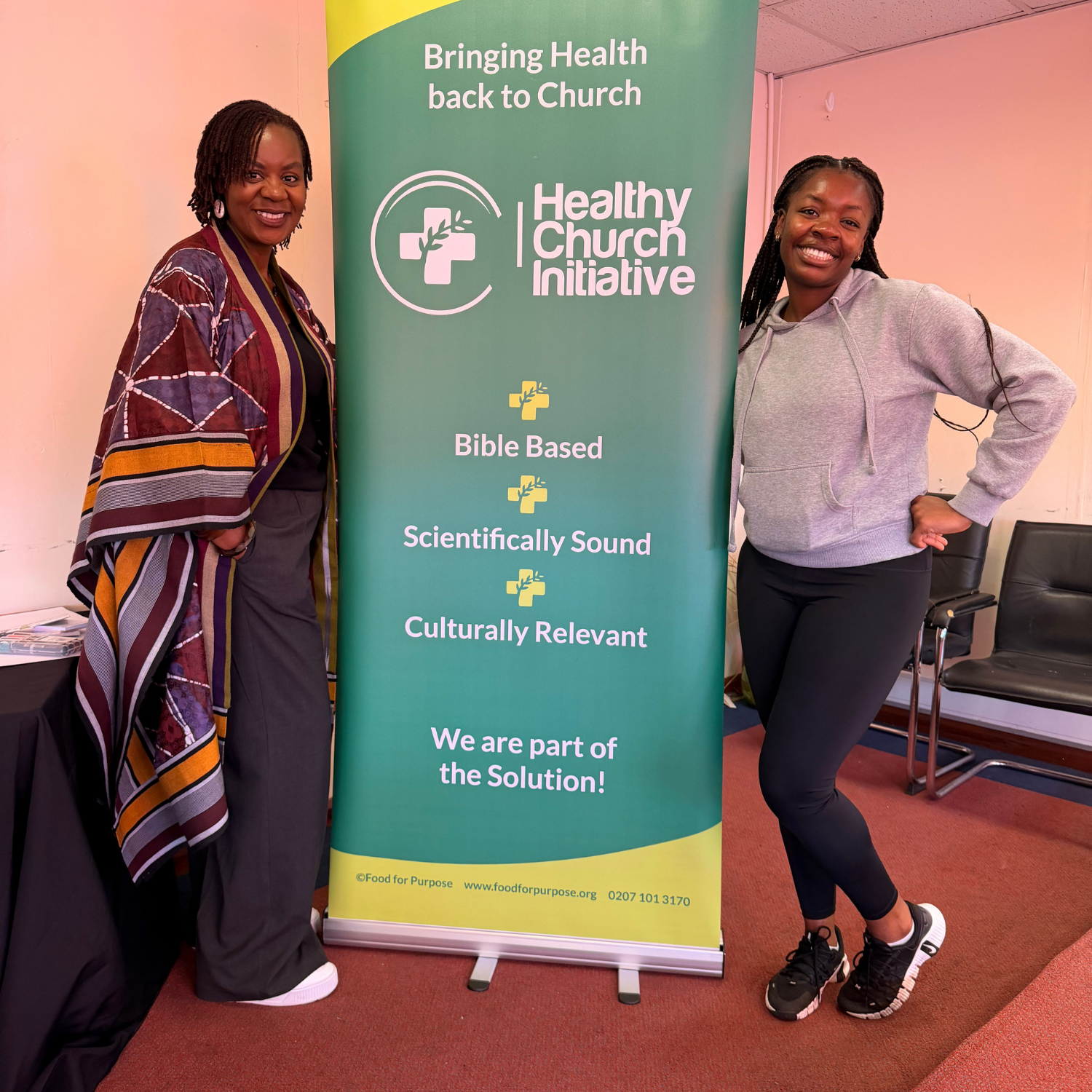
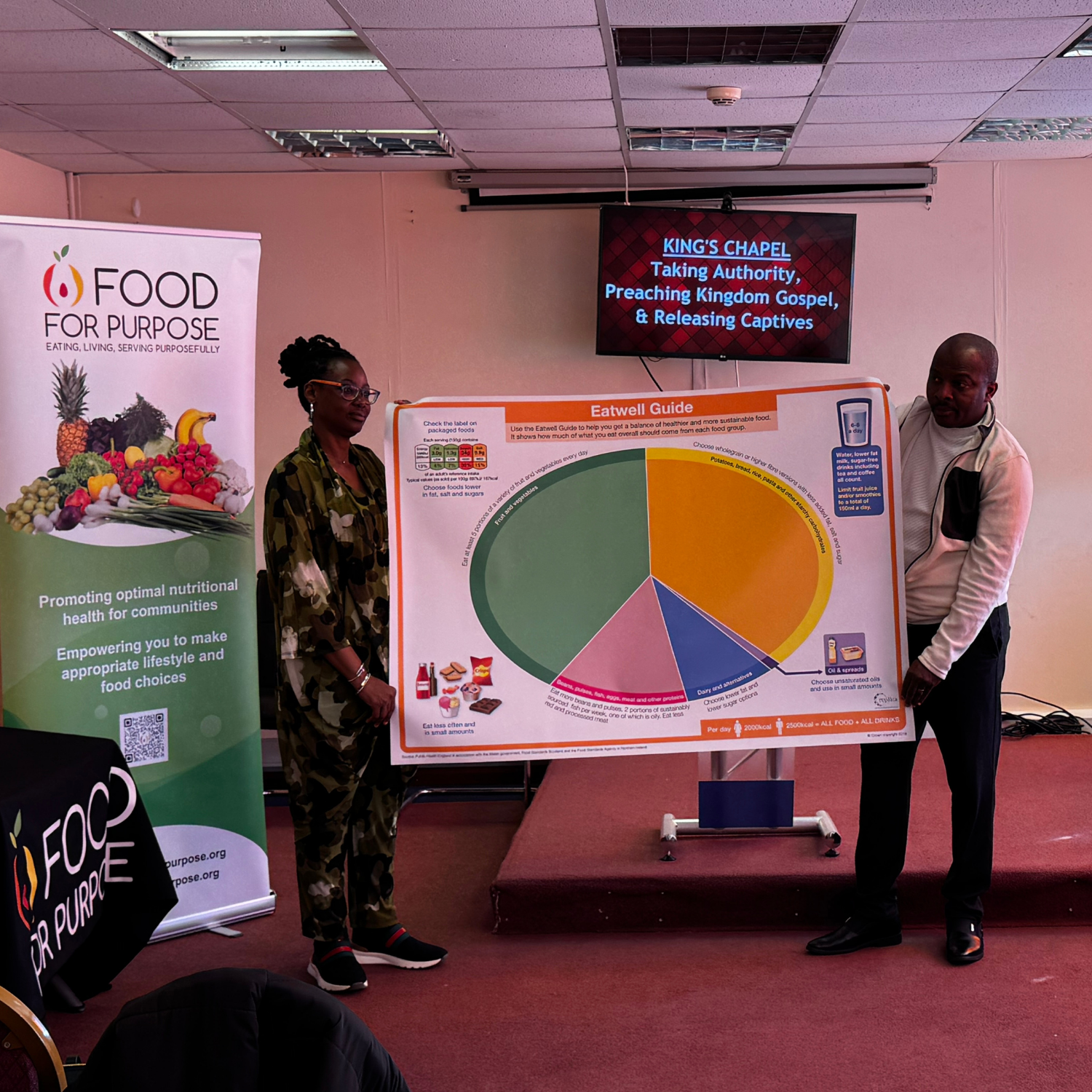
Here’s the update you’ve been waiting for! It’s time to find out what the Healthy Church Initiative has been up to and what’s coming next.
King’s Chapel
After three wonderful months, it’s time to say goodbye, and a huge thank you, to the King's Chapel community. We have had such a fantastic time with Pastor Tim and the KC church family. A heartfelt thank you to everyone for welcoming us so warmly and making every session both fun and inspiring!
St Paul’s, Thamesmead
Last month, Dr. Shola was invited to speak with the women’s group at St. Paul’s Church in Thamesmead. She shared vital insights on heart health, how our diets can promote healthy living, and our Christian calling to be good stewards of our bodies. It was an inspiring evening of fellowship! A huge thank you to Sister Diana for the warm invitation, we loved every minute of it.
Check out what we’ve been up to here and stay tuned for more updates!
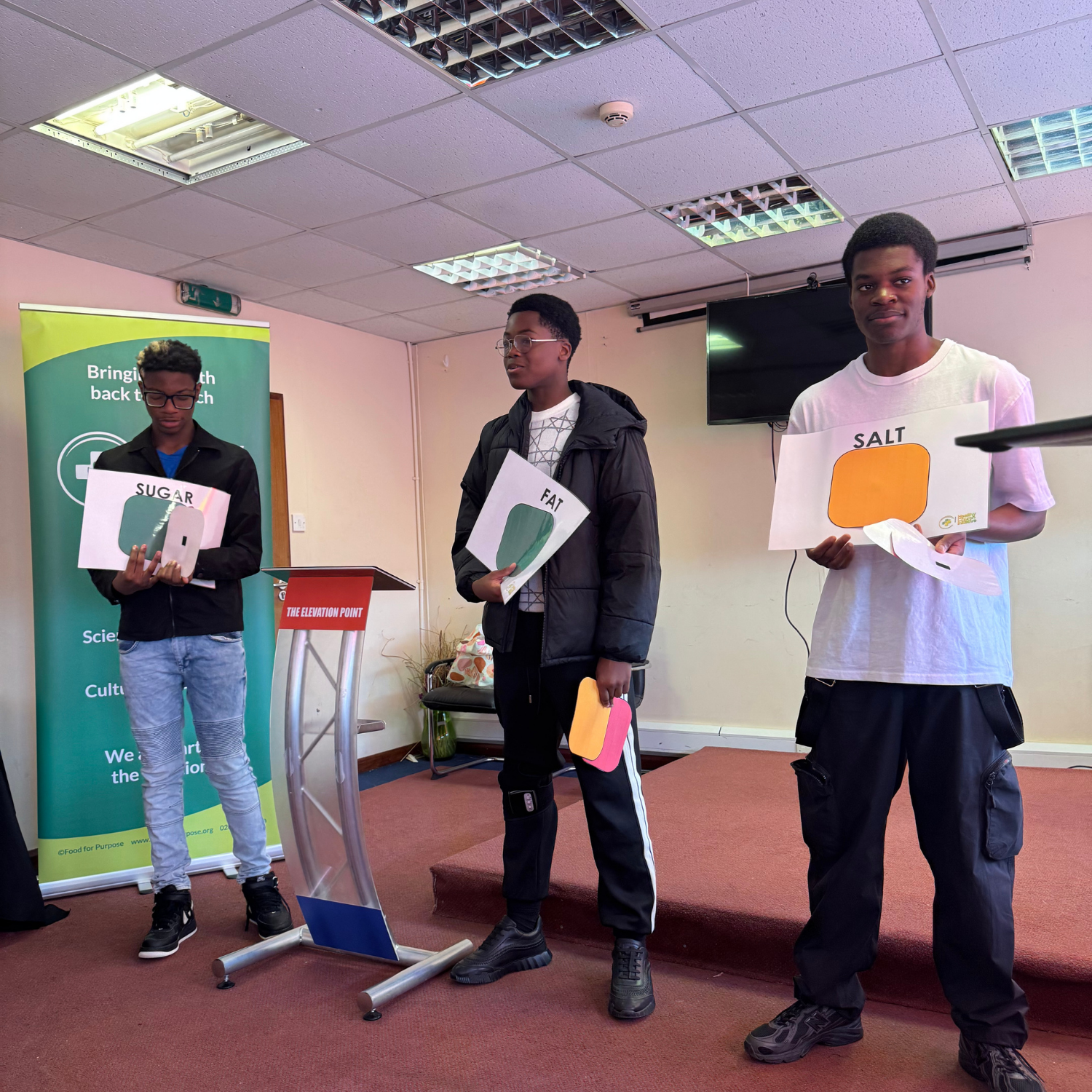


The Newbie Runner’s Survival Guide
By Precious Oladipo
FFP Director & Physical Activity Lead
I don’t know if anyone else has caught the running bug, but I definitely have. I picked it up last year but really started taking things seriously over the last 7 to 8 months. So far, I’ve ticked off a 5k and a 10k race, and I am finally (after a lot of persuasion!) gearing up for a half-marathon this September.
I am by no means an expert, but here are a few tips I’ve picked up along the way for anyone just starting out on their journey:
Have a plan to work towards: If you are new to running, a structured plan is your best friend. Don’t just try to run every single day, that’s a recipe for burnout or injury. Run/walk intervals are fantastic, and the Couch to 5k app is a wonderful place to start. Three runs a week with guided intervals? There's a reason it's so popular: it works!
Get the right shoes! Just because you’re a beginner doesn’t mean you shouldn’t invest in a good pair of trainers. In fact, it’s the very first thing you should do. Book yourself in for a gait analysis at a local running shop to find the perfect fit. You’ll probably discover you’ve been wearing the wrong shoe size your whole life (I found that out the hard way!).
Dress for warmer weather: It sounds backwards, but don’t be afraid to start your run feeling a little cold. Once you get into the swing of things and your heart rate goes up, it will make total sense. Trust me, the last thing you want is to overheat mid-run.
Celebrate your wins! This shouldn’t feel like a chore. Did you run for 3 minutes longer than last time? Celebrate it, a win is a win! Give yourself reasons to enjoy the process, because honestly, what’s the point otherwise? It’s not by force!
Sign up for that race! No, you don’t need to be a professional, and yes, you are ready. Tell your loved ones and get a date in the diary. You could try a local ParkRun (which is free!) or sign up for something like Race for Life. Running can absolutely be a team sport if you want it to be, and having a buddy makes the miles fly by.
Like I said, I’m no expert, but these are the exact things I needed to hear when I first started. So go on, commit to the journey, I’ll be cheering you on from the sidelines. And if you ever need a running buddy, I’d be honored to join you!
(And if running really isn’t your cup of tea, don’t worry. I’ll write a guide on how to be a world-class race spectator for the next edition. All jokes aside, it’s a highly important role!)

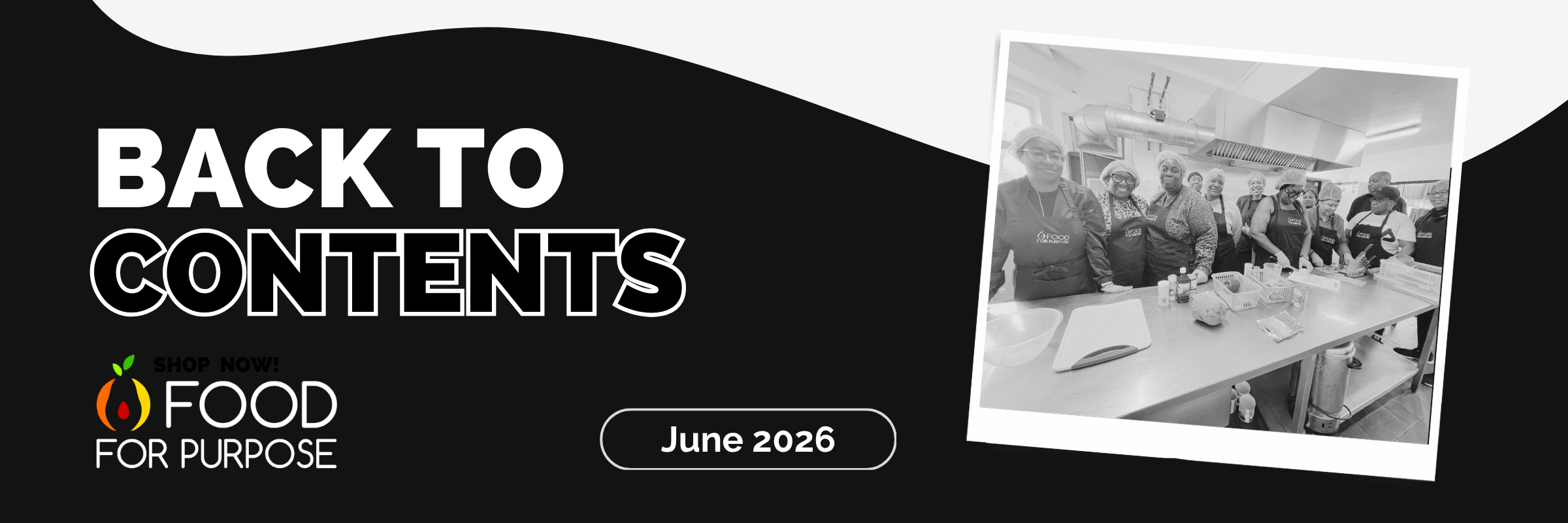

South African Rainbow Salad
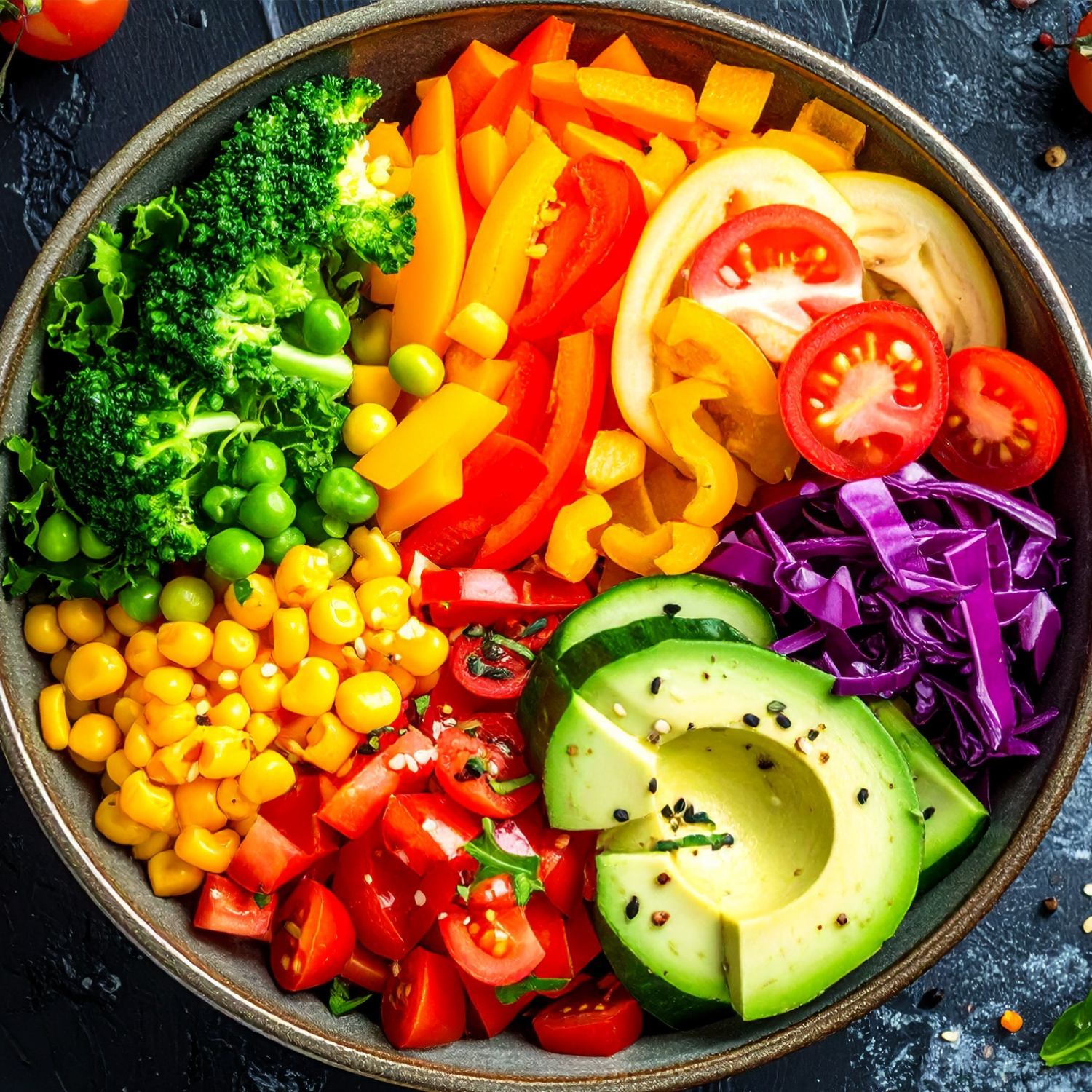
We’re heading to South Africa for our recipe of the month! Experience the vibrant, colourful flavours of South Africa with this easy-to-make rainbow salad, served with a tangy olive oil and mustard dressing. This dish is perfect as a light dinner on its own, or as a side at your next family gathering.
Ingredients
1 head lettuce, shredded
2 large carrots, grated
1 yellow bell pepper, deseeded and sliced
1 red bell pepper, deseeded and sliced
1 beetroot, grated
100g red cabbage shredded
2 tomatoes, chopped
1 cucumber, sliced
1 small onion, finely sliced
1 avocado, sliced
1 cup sweetcorn
1 tin kidney beans
Dressing
4 tbsp olive oil
1 tbsp Dijon mustard
1 tsp lemon juice or vinegar
Salt and black pepper to taste
Method
Spread the shredded lettuce in the base of a large serving dish.
Arrange the carrots, beetroot, peppers, cabbage, tomatoes, cucumber, onion, avocado, sweetcorn, and kidney beans in colourful rows on top.
Mix the olive oil, Dijon mustard, lemon juice or vinegar, salt, and black pepper to make the dressing.
Spoon the dressing over the salad just before serving or serve it on the side at dinner or family gathering.
Optional Extras
Hard-boiled eggs
Grated cheddar cheese
A sprinkle of paprika
A sprinkle of cashew nuts
Fresh parsley for garnish
Recipe inspiration courtesy of:
https://www.southafricanfruit.co.uk/recipe-list/south-african-rainbow-superfood-salad-bowl

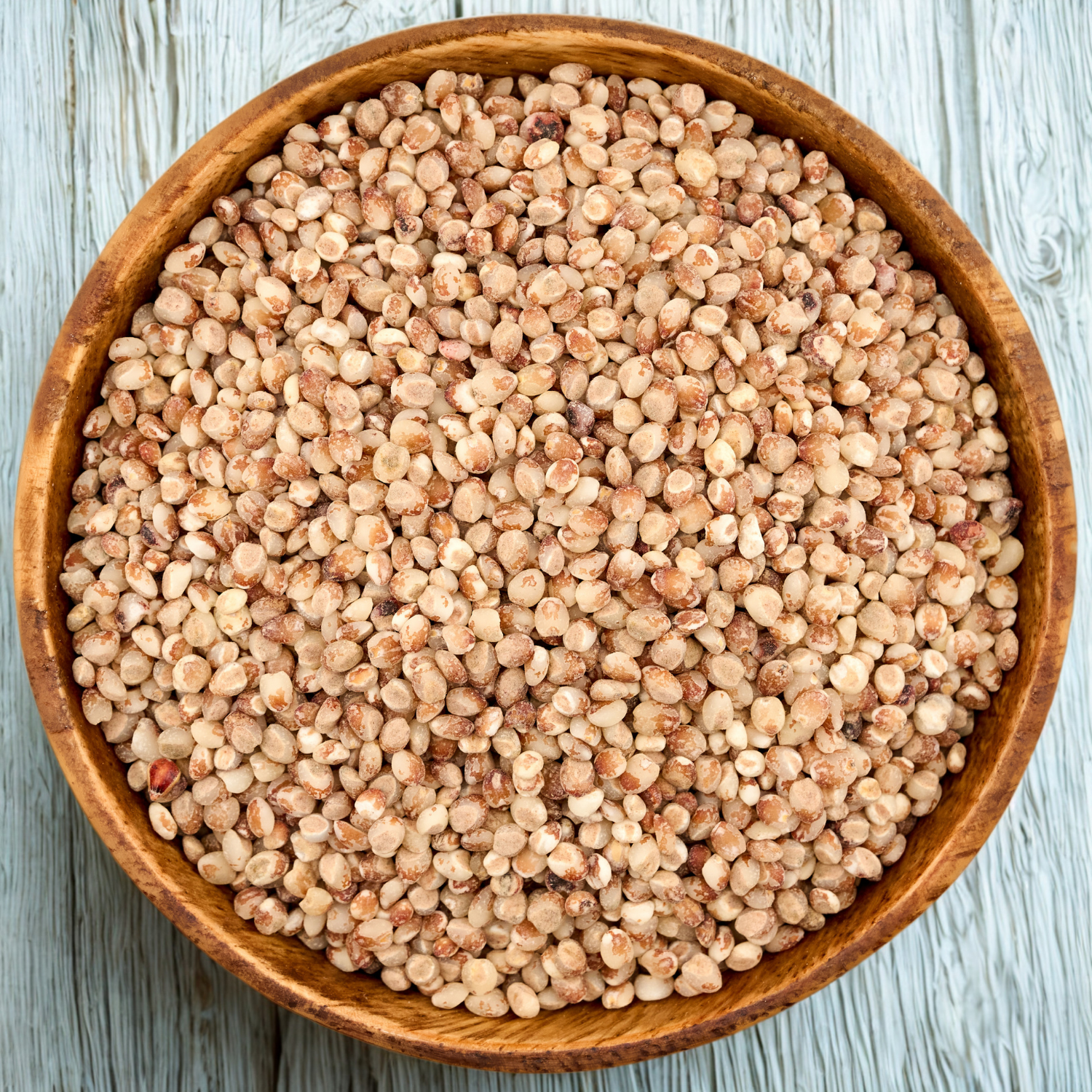
Sorghum: The Ancient Grain Making a Modern Comeback
We're excited to introduce our new food series, ‘Food Spotlight,’ and for its very first edition, we're shining a light on sorghum.
Sorghum may not yet be a household name in the UK, but this ancient grain has been enjoyed for thousands of years across parts of Africa and Asia. Naturally gluten-free, versatile, affordable, and packed with nutrients, sorghum is gaining popularity as more people look for healthier wholegrain options.
What Is Sorghum?
Sorghum is a cereal grain that thrives in hot, dry climates, making it an important staple in many African countries. It comes in different colours, including white, red, brown, and black varieties. Sorghum can be eaten in many forms:
Whole grain
Flour
Porridge
Flatbreads
Couscous-style dishes
Popped like popcorn
In African and Caribbean communities, sorghum is often used in traditional meals, drinks, and porridges.
Nutritionally, sorghum:
Is rich in fibre: it contains dietary fibre, which supports healthy digestion and helps people feel fuller for longer. It may also help support healthy cholesterol levels and gut health
Is naturally gluten-free: for people living with coeliac disease or gluten intolerance, sorghum can be a useful alternative to wheat-based grains
Supports blood sugar control: sorghum is digested more slowly (low glycaemic index) than refined grains, which may help reduce quick rises in blood sugar levels after eating. This can make it a helpful option for people looking to support diabetes prevention or manage diabetes as part of a balanced diet.
Is packed with nutrients: such as iron, magnesium, B-vitamins, antioxidants and plant protein. These nutrients support energy production, heart health, and overall wellbeing.
Easy Ways to Incorporate Sorghum into Your Meals
Here are some simple ideas to explore. Sorghum complements both traditional and modern cooking approaches.
Use it as a substitute for rice or couscous
Add it to soups and stews
Prepare a warm breakfast porridge
Enjoy in African swallow
Include it in salads
Create healthy grain bowls
Use sorghum flour in pancakes or baking recipes
Try popped sorghum as a nutritious snack
Cooking Tips
Whole sorghum grains usually take around 45–60 minutes to cook. Soaking overnight may help reduce cooking time.
Sorghum is a nutritious, versatile, and culturally significant grain that deserves more attention. Whether you are looking to increase your fibre intake, explore gluten-free options, or reconnect with traditional foods, sorghum can be a healthy addition to your meals.
Small changes to our everyday food choices can have a big impact on long-term health, and ancient grains like sorghum offer both nourishment and cultural connection.

Getting Your 5-a-Day: The Why and the How
Your Guide to Nutrition Made Simple!
I think it’s safe to say most of us know we should be aiming for five portions of fruit and vegetables a day. The theory is locked down, but putting it into practice? Well, that’s usually where things get a bit tricky. Before we look at how to do it, here is a quick reminder of why it matters. The number five wasn't just pulled out of thin air. Studies show that eating at least five portions of fruit and veg a day is associated with a lower risk of all-cause mortality, particularly cardiovascular diseases.
Reason enough, right? So, now that we know the why, let’s look at the how.
One portion of fresh fruit or veg is roughly 80g. That could look like one medium-sized apple, a handful of grapes, or three heaped tablespoons of peas, sweetcorn, or mixed vegetables. Dried fruit also counts, but a portion is just 30g because it can be quite high in sugar. A 150ml glass of fruit juice or a smoothie counts too, but that is the daily limit; blending or whizzing fruit releases the natural sugars, so you shouldn't have more than one a day. Beans and pulses count toward your goal as well, but no matter how many 80g portions of chickpeas or lentils you eat, they only ever count as one of your five for the day.
If you didn’t know already: fresh, frozen, or tinned, they all count! In fact, buying frozen veg is fantastic for your pocket because there is less worry about wastage, and you still get the exact same nutritional benefits. If you are buying tinned fruit, just check the label to make sure it’s in its natural juice or water rather than syrup.
Getting your 5-a-day just requires a little bit of intention at every meal, and you'll soon find it’s a lot easier than you think. Want to dive deeper? Check out this full guide from the British Nutrition Foundation to find out more. Good luck!
(P.S. Potatoes DO NOT count! 🥔)

Metformin and Vitamin B12: What You Should Know
By Modupe Peters
FFP Director & Diabetes Lead
Metformin is a common and effective medicine for type 2 diabetes. For many people, it works well and is safe to take long-term. However, there is one side effect worth noting: over time, metformin can lower vitamin B12 levels in some people.
Why does this matter?
Vitamin B12 helps keep your blood cells and nerves healthy. Research has shown that people taking metformin, especially at higher doses or for extended periods, may be more likely to develop low vitamin B12 levels or vitamin B12 deficiency. This does not happen to everyone, but it is common enough to be taken seriously. People with symptoms or other risk factors may need a blood test to check their vitamin B12 level.
Signs to look out for:
Feeling very tired or weak
Pins and needles or numbness in the hands or feet
Problems with memory or concentration
A sore, red tongue
Pale or yellow-looking skin
What should you do?
If you take metformin and notice these symptoms, speak to your GP, diabetes nurse, or pharmacist. They may suggest a blood test. Do not stop taking metformin without medical advice. If your vitamin B12 level is low, treatment is available, and metformin can often be continued while the deficiency is corrected.
The good news is that this problem can usually be identified and treated. Knowing the signs and asking about vitamin B12 if you have concerns can help you stay well while continuing to manage your diabetes safely.


Save Your Money: Why Your Wallet Needs a Detox, Not Your Body
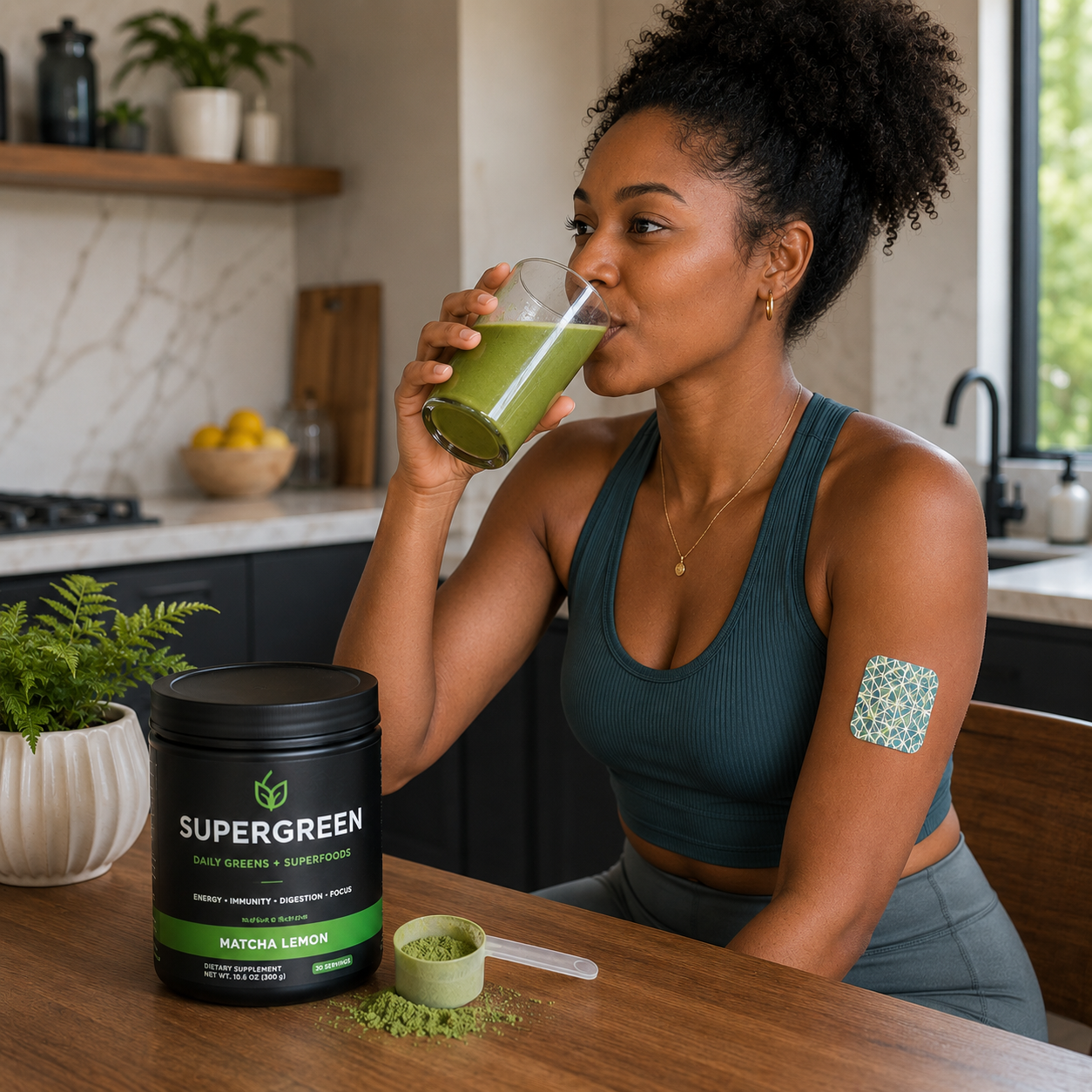
Powders, patches, and potions, please, give us a break. Let us rest, I beg of you.
Frankly, I am exhausted from constantly seeing brands market "supergreen powders" and "metabolism-balancing patches." What is even more frustrating is watching consumers do everything except five minutes of reading to realise that these products are a massive waste of time and money. Your liver and kidneys are already doing the heavy lifting for free; they don't need a pricey, swamp-colored dust to help them out.
Naturally, social media is flooded with videos of people adamantly swearing that these "holy grail" products changed their lives. But let's be honest: I, too, would convince myself a product was a miracle worker as a form of consolation if I had just handed over my hard-earned money for a tub of expensive grass clippings meant to be mixed with water.
Now, don't get me wrong. I am not against a daily multivitamin, some omega-3 capsules, and I am definitely not against a vitamin D supplement (we live in the UK, let’s not kid ourselves, we all need it). But unless you have actually had a blood test that proves you are deficient in something specific, dear reader, you do not need to spend a fortune on fancy supplements.
And even when you do need a supplement, I promise you that a standard, no-frills bottle from your local pharmacy or drugstore will do the exact same job. Your body cannot tell the difference between a £4 bottle of vitamins and a £40 aesthetic jar endorsed by an influencer.
So, take this advice or don’t. Actually, on second thought, maybe ignore me, I might start selling my own brand of "supergreen dust" next week. It seems like an incredibly lucrative business.


Let's keep in touch
For general enquiries about Food for Purpose:
For Newsletter enquiries / content suggestions: